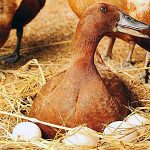
Ducks and geese get along well and may be kept together in the same area. Since most domestic duck breeds don’t fly well or at all, and some are too heavy to even walk fast, and since geese tend to be aggressive toward trespassers, keeping ducks and geese together offers the ducks some measure of […]
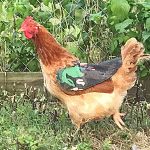
A rooster intent on mating a hen grabs the feathers on her head with his beak while he attempts to stand on her back. To get a good grip, he braces his claws against her shoulders. More often than not, his feet slide on her smooth feathers and — to get better balanced — he […]
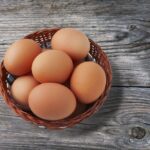
Perhaps the greatest tribute to eggs is the vast number of ways they are incorporated into recipes around the world. Many recipes call for eggs as a functional ingredient, used to perform such services as binding other ingredients together, clarifying liquids, or causing baked goods to rise. Here are 15 functional properties of eggs in […]
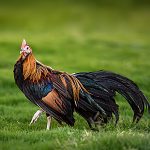
Longtail chickens require specialized treatment to maintain the beauty of their lavish tail feathers. Here are 7 ways the care and feeding of longtail roosters differs from that of other chicken breeds. 1. Plenty of Perches A lot of what we know about caring for longtail chickens comes from the traditional management of Onagadori roosters […]
How many eggs your ducks lay, and for how many years, depends on several factors. Most of these factors are easily within your control as the ducks’ keeper. Here are six considerations that influence how to keep your ducks laying well. Breed and Strain Some duck breeds, or strains within a breed, lay better than […]
Some breeds of duck have been developed for their outstanding laying habits. Unless this ability is maintained through continued selective breeding, though, the laying potential of the strain will decrease over time. For this reason, not all populations of a particular breed known for laying are equally up to the task. Here are four outstanding […]