Description
Breed Overview and Origin
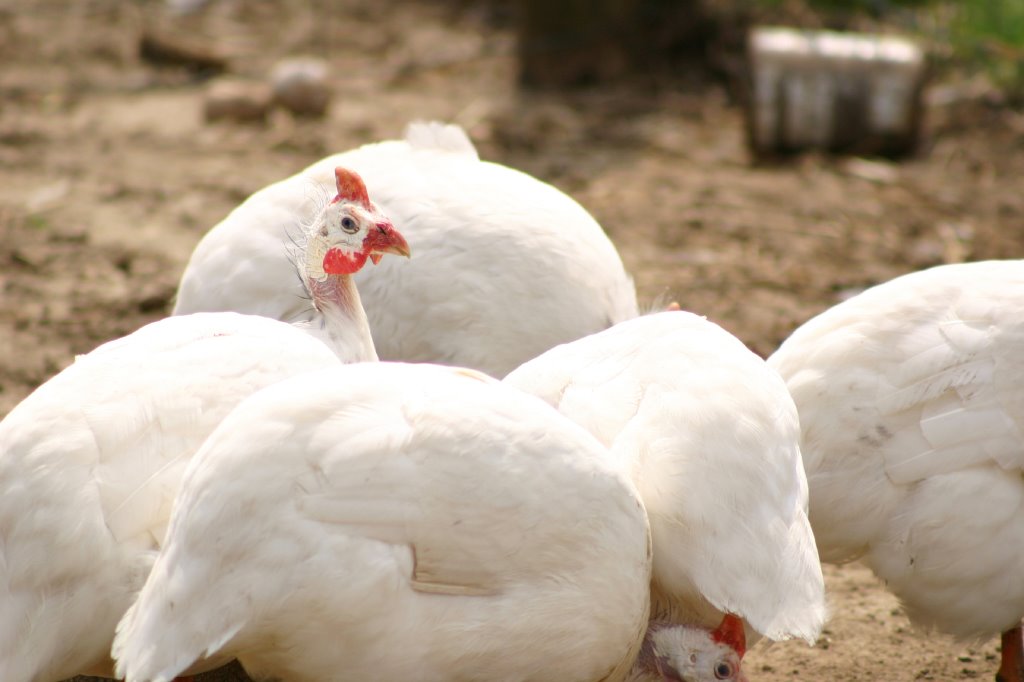
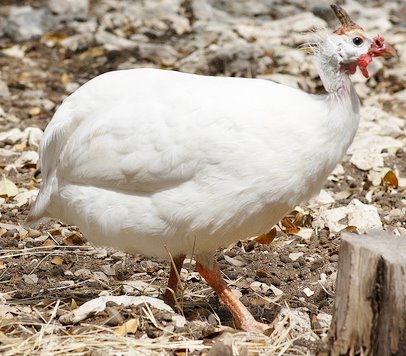
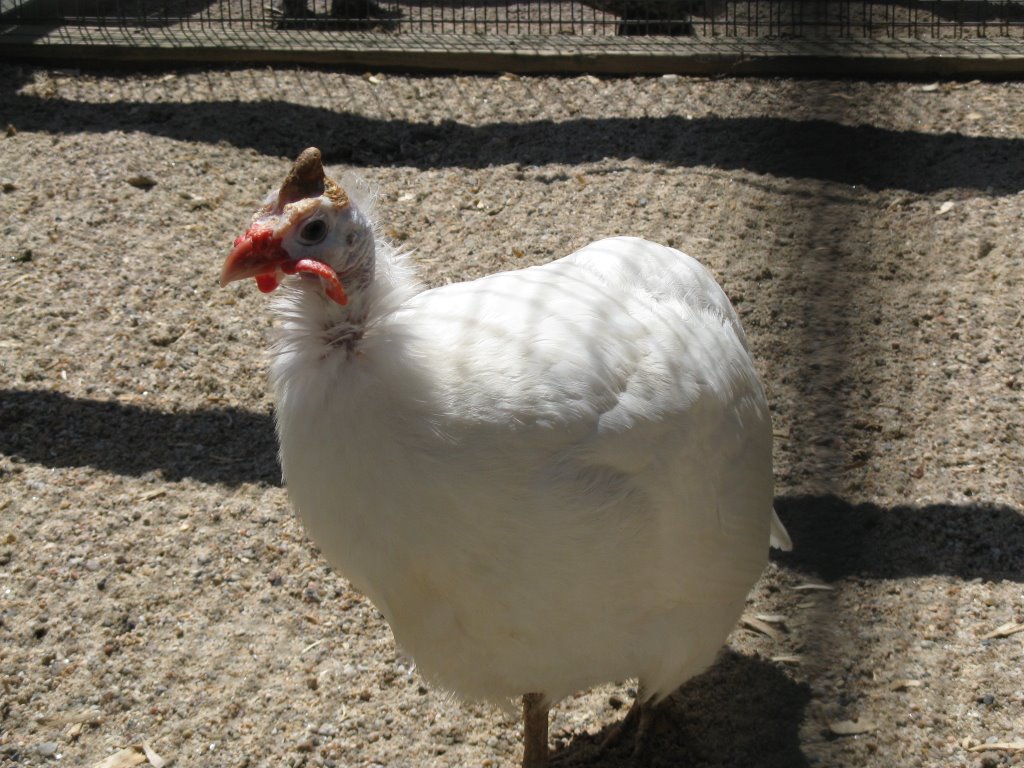
The White African Guinea Fowl is a useful, alert, and eye-catching variety of guinea fowl with clean white plumage and strong natural instincts. If you want a bird that can help patrol for ticks, alert you to unusual activity, and add something different to your farm or homestead, White African guineas are a practical choice.
Guinea fowl originated along the west coast of Africa. Cackle Hatchery® notes that images of guinea fowl appear on ancient Egyptian buildings dating back to the 2400s B.C., and that the Greeks considered guinea meat and eggs delicacies by around 400 B.C.
Cackle Hatchery® offers several African guinea varieties for customers interested in showing, breeding, pest control, and farmyard enjoyment, including White African Guinea Fowl, Pearl Grey Guinea Fowl, Lavender Guinea Fowl, and Royal Purple Guinea Fowl. Cackle also offers a Hatchery Choice Guinea option for customers who want a bargain special and do not need one exact color variety.
Appearance and Characteristics
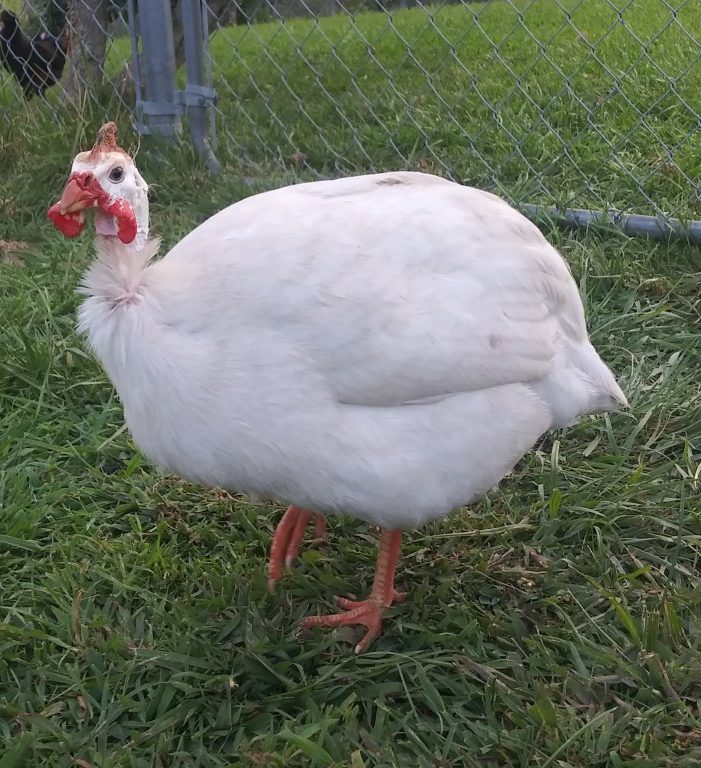
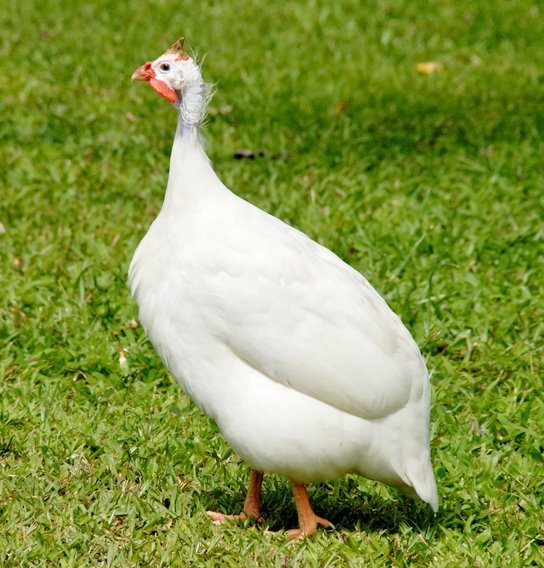
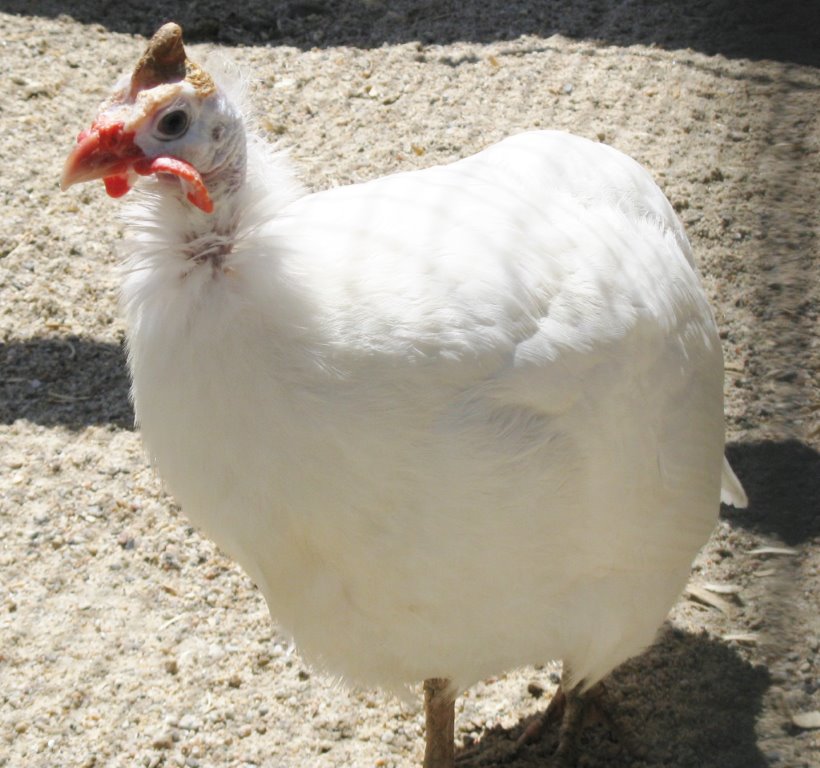
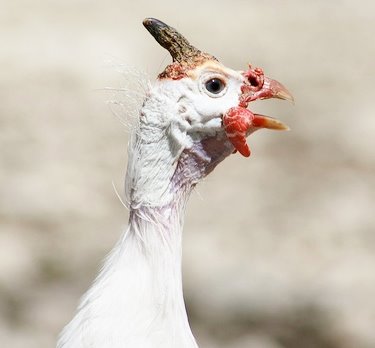
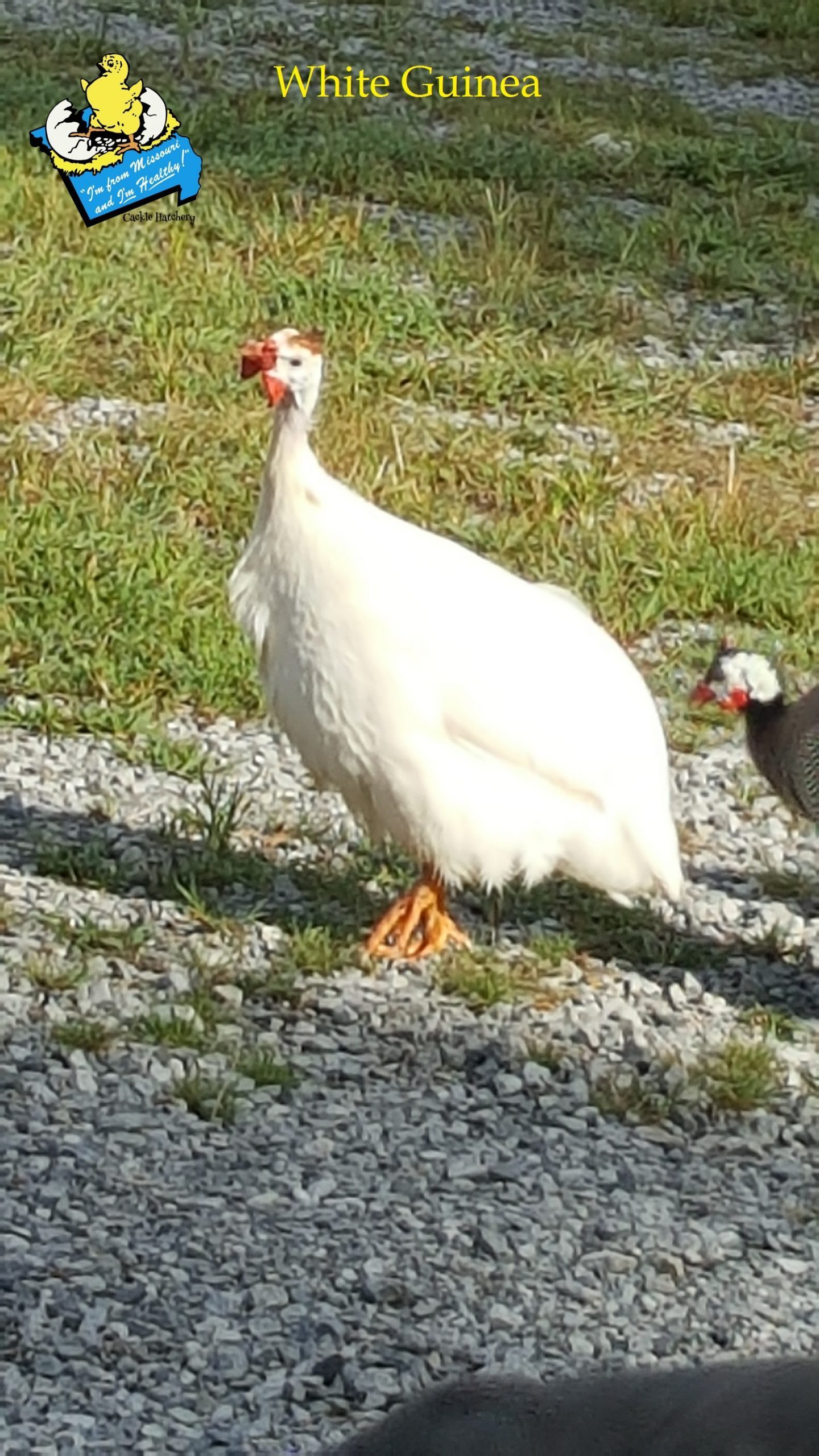
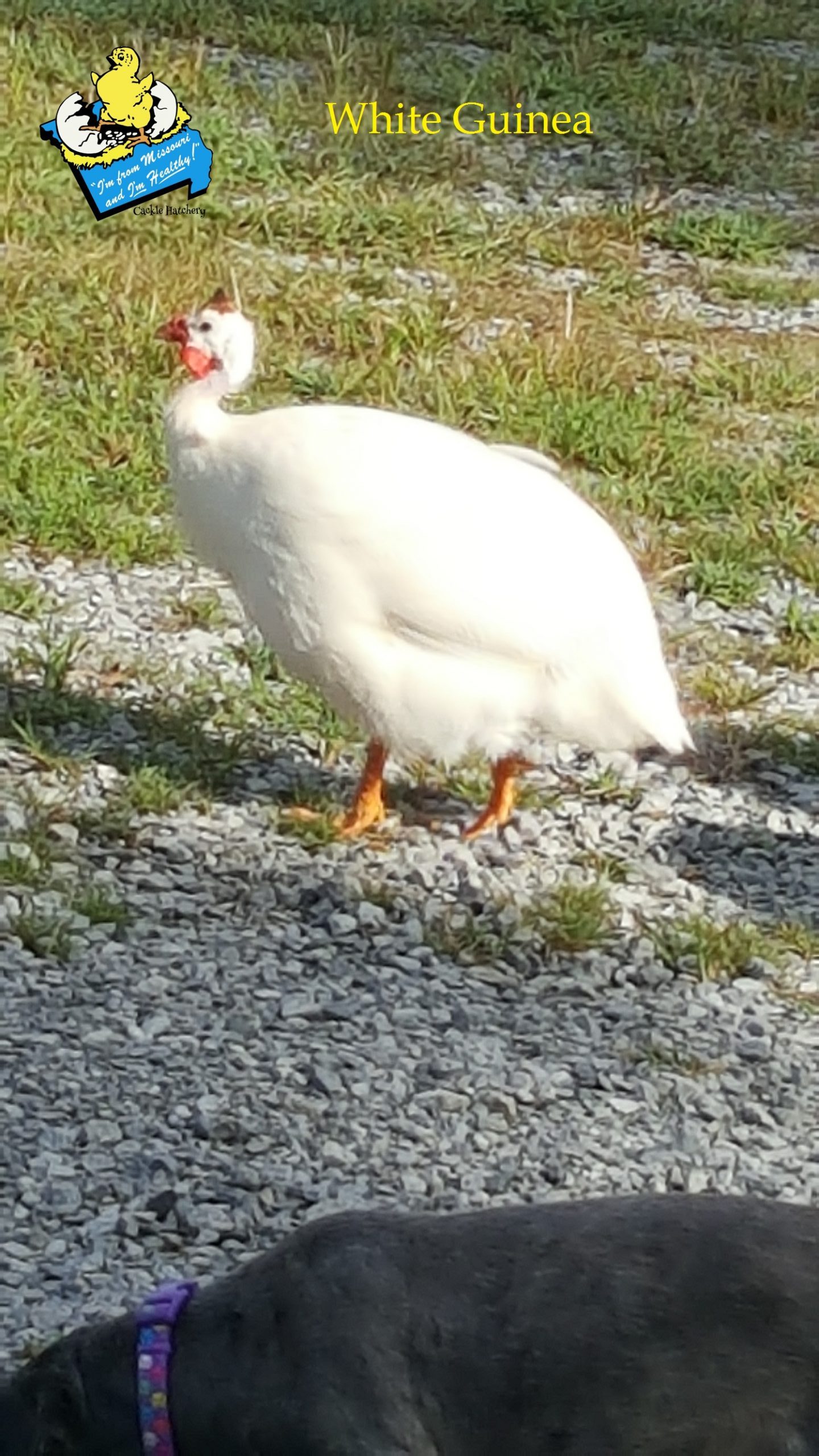
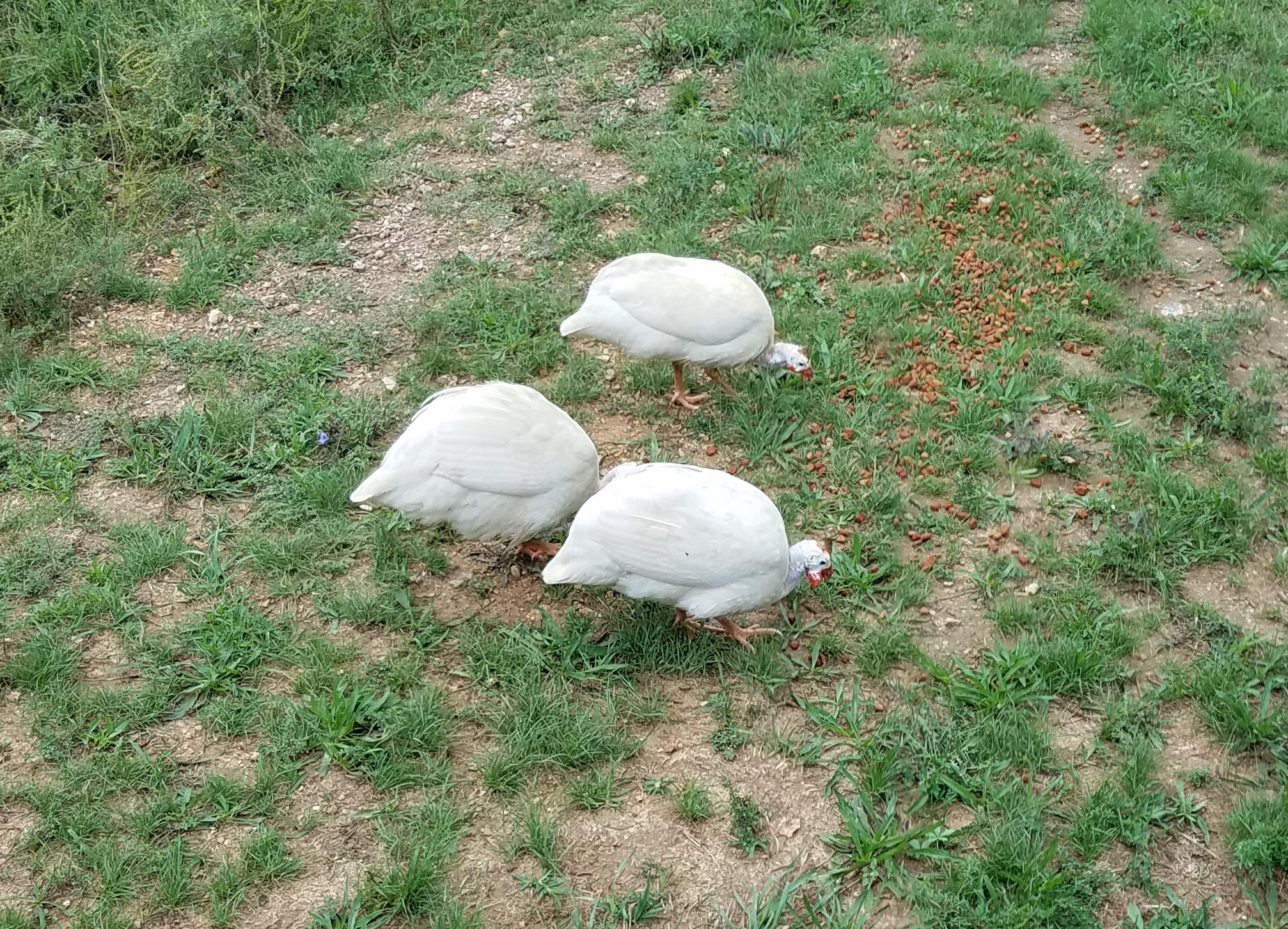
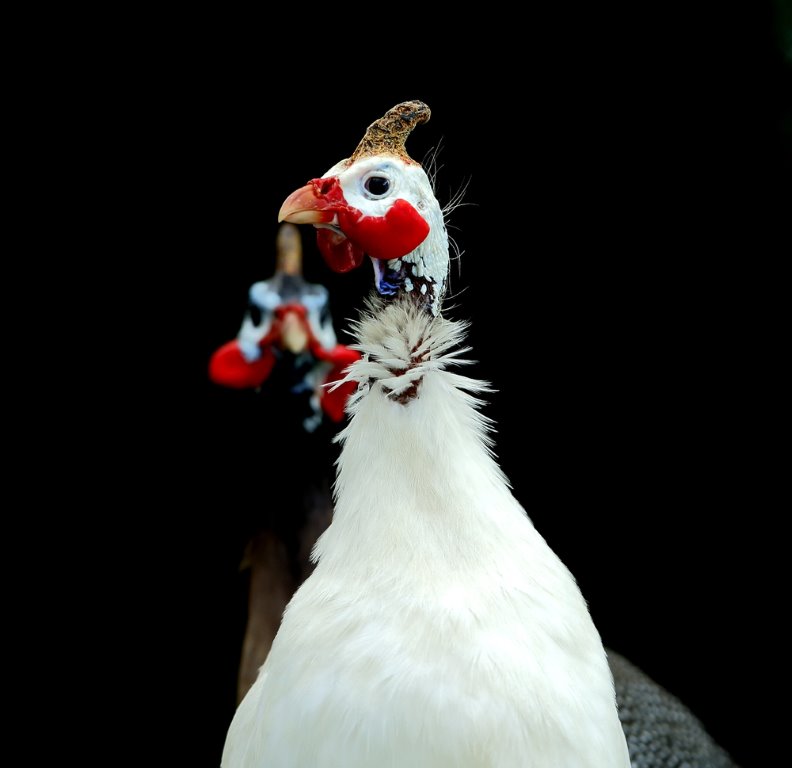
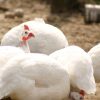
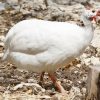
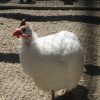
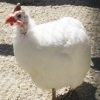
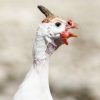
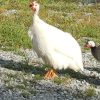
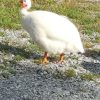
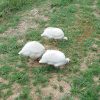
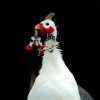
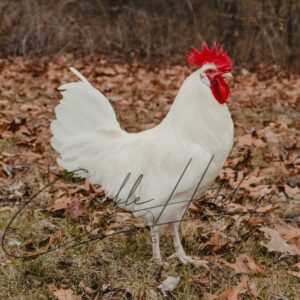
White African Guinea Fowl have bright white plumage instead of the spotted pearl pattern many people picture when they think of guineas. Their upright body shape, active movement, and alert nature make them easy to notice in the yard.
Guineas are not chickens. They have different instincts, different sounds, and a much stronger tendency to roam, call, and roost high. Cackle’s Raising Guinea Fowl article explains that guineas come in many colors, including pure white, lavender, pearl, and royal purple. It also recommends starting with keets instead of full-grown birds because birds raised from keets have a better chance of staying around as adults.
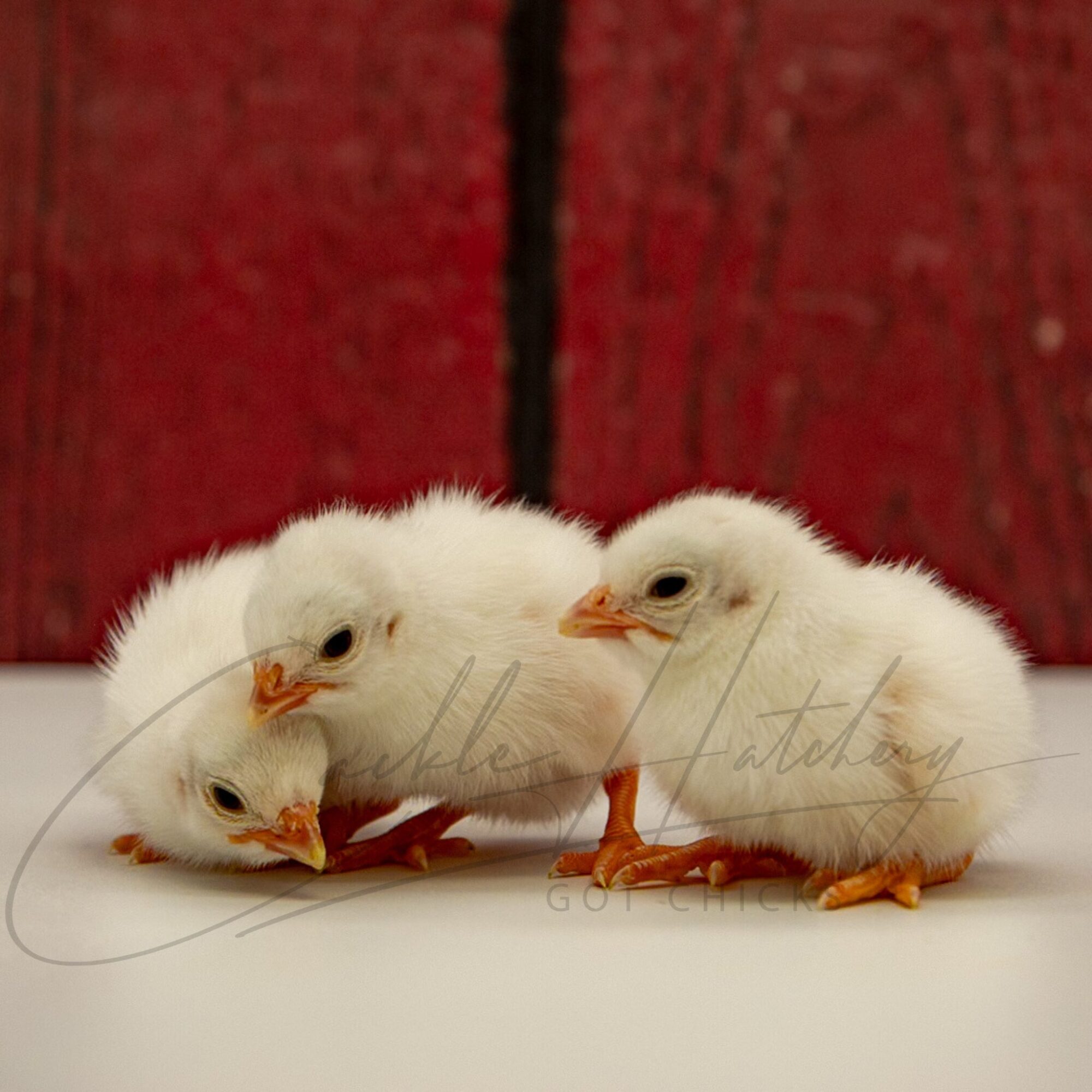
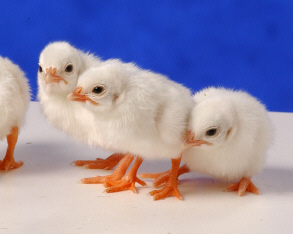
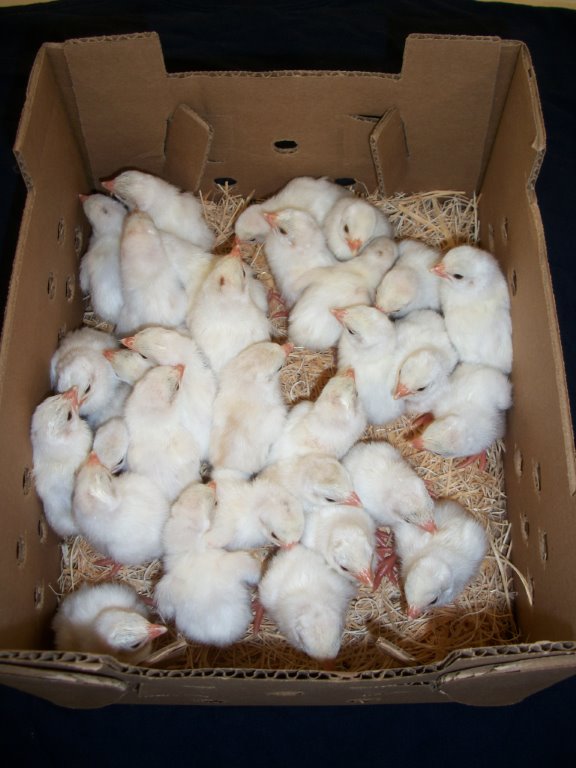
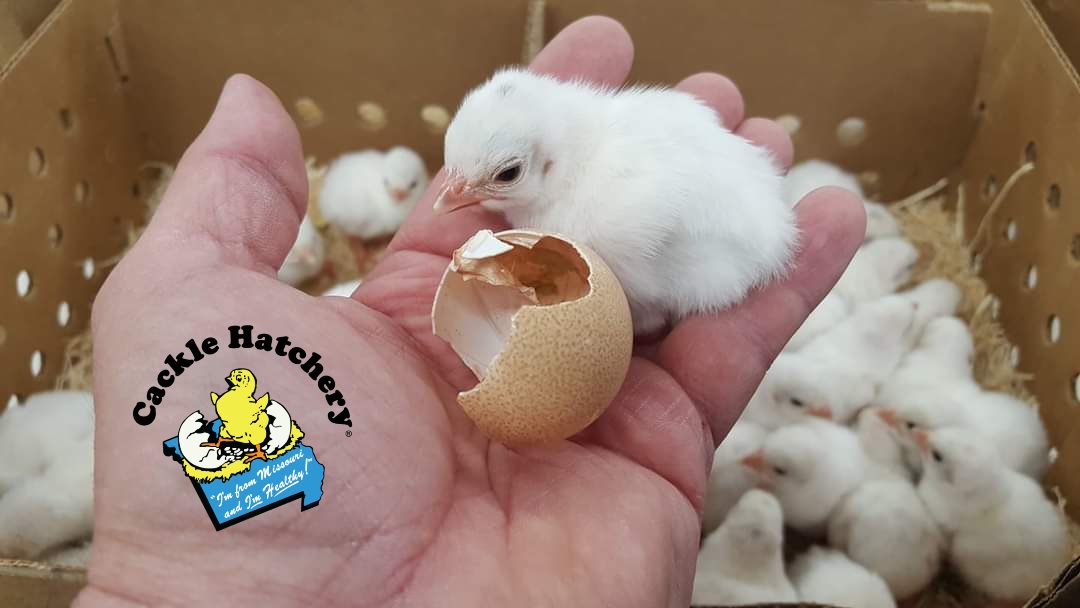
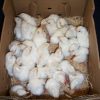
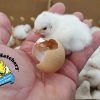
Because White African guineas are sold as baby keets, customers should plan for careful brooding, secure housing, and consistent training from the beginning.
White African Guinea vs Other Guinea Colors
White African Guineas share the same general guinea behavior and usefulness as other African guinea varieties. The main difference is feather color.
Choose White African Guinea Fowl if you want a clean white bird that stands out clearly in the yard. Choose Pearl Grey Guinea Fowl if you prefer the most common spotted guinea pattern. Choose Lavender Guinea Fowl for a softer, lighter color, or Royal Purple Guinea Fowl for a darker, richer look.
If color does not matter, Cackle’s Hatchery Choice Guinea may include White, Lavender, Pearl, or Royal Purple guineas. However, hatchery choice specials do not guarantee a specific color or assortment.
Guinea Fowl as Watch Birds
Guinea fowl make excellent farmyard “watch dogs.” They are loud, alert, and quick to react when something different enters their area.
Cackle’s Guinea Fowl for Sale category describes guineas as some of the best watch birds for sounding off when human or animal intruders come into their territory. That alert nature can make them useful around farms, acreages, barns, gardens, and homesteads.
However, customers should understand that the same alert calling that makes guineas useful can also make them noisy. If you have close neighbors or noise restrictions, consider your setup before ordering.
Tick and Bug Control
White African Guinea Fowl are well known for eating ticks, bugs, and other small pests while they patrol a yard, pasture, garden edge, or wooded area.
Cackle’s Guinea Fowl on Tick Patrol explains that many rural keepers raise guineas primarily for tick patrol and insect control. When allowed to roam, a flock can work across lawns, pastures, and the edges of woodlots looking for insects.
Guineas can help reduce pest pressure, but they are not a complete pest-control guarantee. For best results, use them as part of a broader farm or homestead management plan.
Sexing Guinea Keets
Guinea keets are very hard to sex by sight, so Cackle Hatchery® sells them as not sexed keets. This is normal for guinea fowl.
As they mature, sound becomes one of the easiest ways to tell males and females apart. Males usually make a one-syllable call, often repeated several times, such as “chit, chit, chit.” Females make a two-syllable call often described as “buck-wheat, buck-wheat.”
Cackle’s Sexing Turkey Poults and Guinea Keets explains that turkey poults and guinea keets are difficult to sex and are usually sold straight run. For more general poultry sexing information, Cackle also offers How to Sex Poultry — Chickens, Turkeys, Guineas, Ducks, Geese.
Brooding White African Guinea Keets
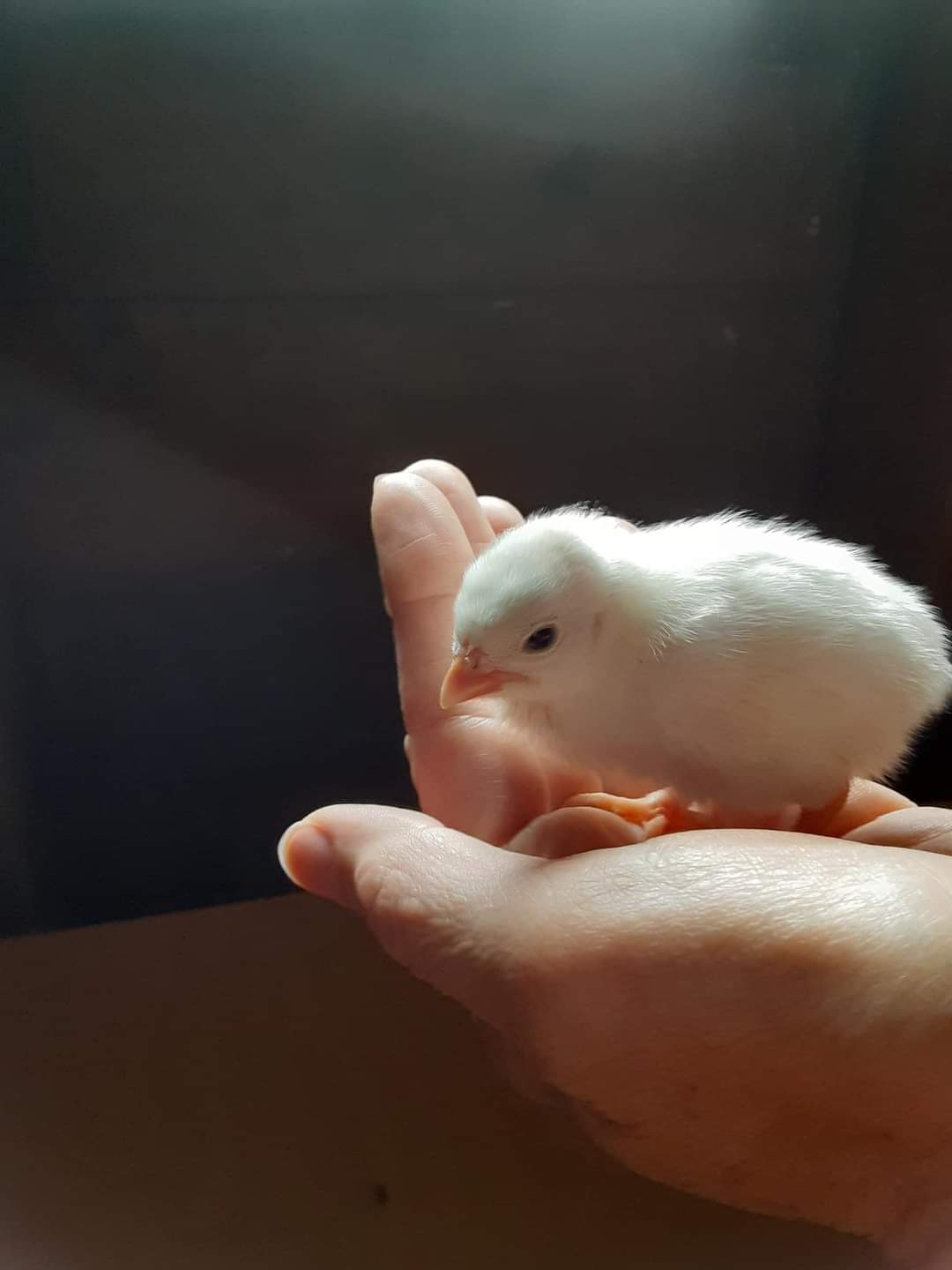
Guinea keets need careful brooding. They are small, active, and can be more delicate than many chicken chicks during the early days.
Cackle’s 3 Ways to Brood Guinea Fowl and 1 Way Not To warns that letting a free-range guinea hen raise her own keets can often end poorly because young keets can get chilled while trying to keep up in wet grass or rough conditions. The article recommends more controlled brooding methods for better success.
For general keet-raising guidance, customers should also read Raising Guinea Fowl, which explains why starting with keets gives guineas a better chance of bonding to the home area as they mature.
Shipping and Separate Compartments
Cackle Hatchery® ships guinea keets in a separate compartment from other poultry. This protects other birds during shipment because small keets may peck at the toes of other poultry and injure them.
White African Guinea keets are seasonal. Cackle’s White African Guinea page lists them as baby keets only, no sexing available, with seasonal shipping from June through mid-August and a minimum of 5. Cackle’s guinea category notes that guineas typically hatch and sell from May through August, depending on variety and hatch schedule.
Customers should order early. March and April are good planning months for reserving keets before peak season availability tightens.
Cackle Hatchery® cannot ship guinea fowl to Hawaii.
Roosting and Free-Range Behavior
Guinea fowl like to roost high, and free-ranging guineas may choose trees if they are not trained to return indoors. This can create safety issues, especially where predators are active at night.
Cackle’s Getting Guinea Fowl to Roost Indoors at Night offers tips for encouraging guineas to sleep inside. The article explains that training guineas to roost indoors can be challenging, and one strategy is to raise keets with chicks so the chickens help teach them to return to the coop.
Because guineas can also fly away after moving to a new location, Cackle’s How to Keep Guinea Fowl from Flying Away is another important internal resource for customers planning a free-range flock.
Nesting and Egg Laying
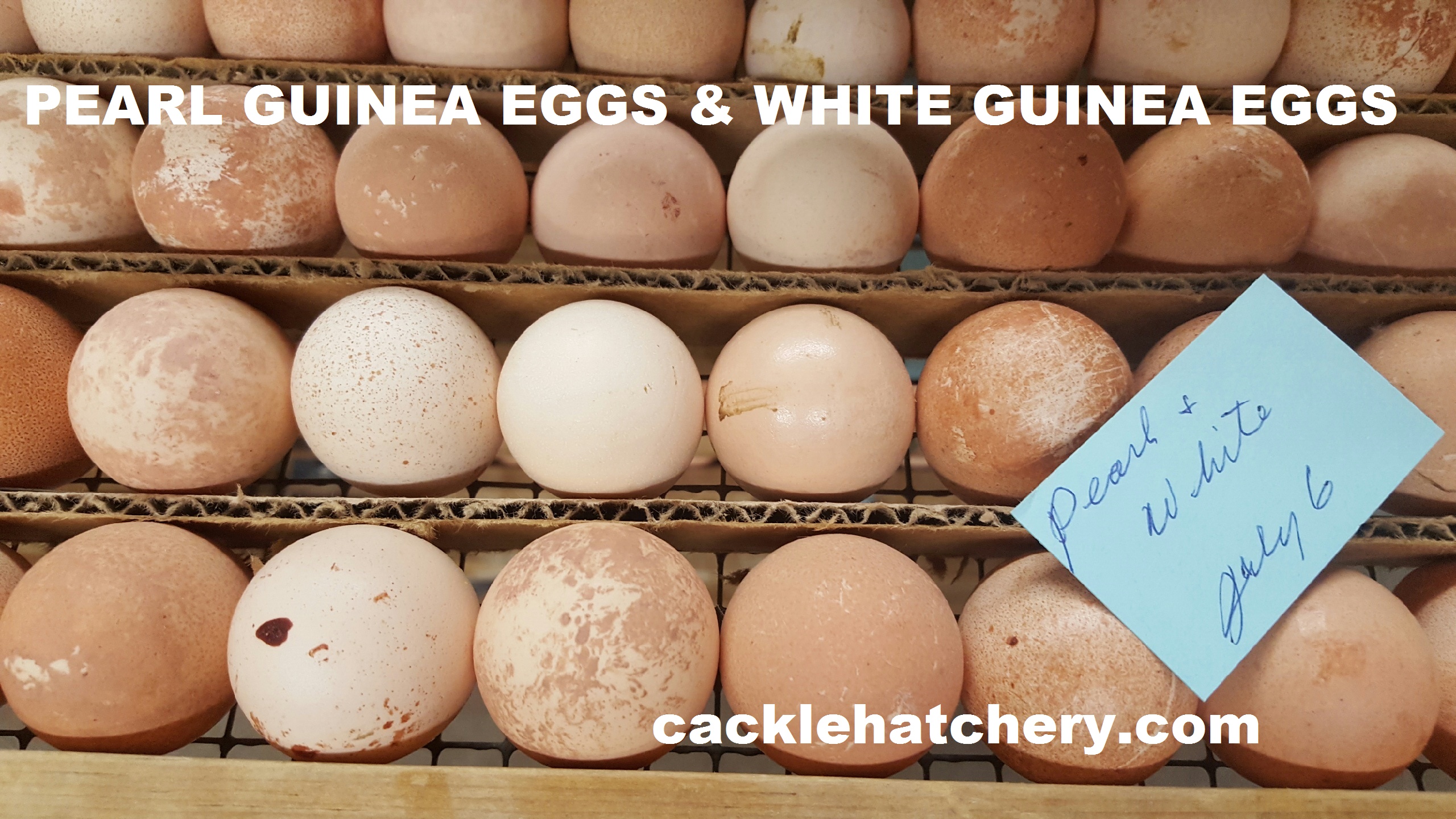
Guinea hens often hide their nests when allowed to free range. A flock may seem to disappear at laying time and then suddenly return with a group of keets.
That natural nesting behavior can be useful in some settings, but it can also make egg collection and breeding management difficult. Customers who want better control over eggs and hatching should provide safe housing, train guineas to return indoors, and watch for hidden nests during laying season.
For a broader comparison of guinea types and laying expectations, Cackle’s Selecting Guinea Fowl article notes that African guineas may not start laying until the next spring, while French guineas raised early may begin sooner.
Are White African Guinea Fowl Right for Your Farm?
Choose White African Guinea Fowl if you want:
A white guinea fowl variety
An alert farmyard watch bird
A strong tick and bug eater
A bird for 4-H or FFA showing and breeding
A free-range patrol bird
A bird with loud alarm calls
A unique African-origin fowl
A seasonal keet order from Cackle Hatchery®
A bird that likes high roosts
A useful alternative to chemical pest control
Overall, White African Guinea Fowl are a great choice for customers who want alert, active, pest-patrolling birds with a clean white look. They are not quiet backyard pets, and they need training if you want them to return to the coop. However, with the right setup, they can be one of the most useful birds on a farm or homestead.
If customers are still comparing guinea varieties, direct them to Cackle’s Guinea Fowl for Sale category or the broader Guinea & Peafowl for Sale category.
Breed History and Preservation
Guinea fowl have a long history with people. Their origin traces to Africa, and humans have valued them for centuries for meat, eggs, alert behavior, and pest control.
Ancient Egyptian art shows guinea fowl-like birds as far back as the 2400s B.C., and ancient Greeks considered guinea meat and eggs a delicacy by around 400 B.C. Today, customers keep guineas for many of the same practical reasons: food, alerts, pest patrol, and farmyard usefulness.
Cackle Hatchery® has supplied multiple guinea colors for 4-H, FFA, showing, breeding, and homestead use, including White, Lavender, Pearl, and Royal Purple varieties. Cackle’s Hatchery Choice Guinea page notes that its breeding farm has developed these guinea bloodlines since 1977.
Recognition and Availability
White African Guinea Fowl are sold as baby keets only, with no sexing available. Cackle lists the White African Guinea as seasonal, shipping June through mid-August, with a minimum of 5.
Cackle Hatchery® also offers Pearl Grey Guinea Fowl, Lavender Guinea Fowl, Royal Purple Guinea Fowl, and guinea bargain options such as Hatchery Choice Guinea.
Before planning an order, customers should check Cackle Hatchery’s Availability Chart for current hatch and shipping dates.
Related Breeds and Helpful Cackle Hatchery® Resources
If you like White African Guinea Fowl, you may also want to compare Pearl Grey Guinea Fowl, Lavender Guinea Fowl, Royal Purple Guinea Fowl, French Pearl Guinea Fowl, and Hatchery Choice Guinea.
Helpful Cackle articles include Selecting Guinea Fowl, Raising Guinea Fowl, 3 Ways to Brood Guinea Fowl and 1 Way Not To, Sexing Turkey Poults and Guinea Keets, How to Keep Guinea Fowl from Flying Away, Guinea Fowl on Tick Patrol, and Getting Guinea Fowl to Roost Indoors at Night.
FAQ: White African Guinea Fowl Keets
What are White African Guinea Fowl?
White African Guinea Fowl are white-feathered guinea fowl raised for pest patrol, alert calls, showing, breeding, meat, eggs, and farmyard usefulness.
Where did guinea fowl originate?
Guinea fowl originated along the west coast of Africa. People have kept them for thousands of years for food, alerts, and farmyard usefulness.
Are White African Guineas good watch birds?
Yes. Guineas are loud, alert birds that will sound off when something unusual enters their territory. That makes them useful farmyard watch birds.
Do White African Guinea Fowl eat ticks?
Yes. Guineas are well known for eating ticks and other bugs while free ranging. Cackle’s Guinea Fowl on Tick Patrol explains how guineas patrol lawns, pastures, and woodlot edges for insects.
Are White African Guineas quiet?
No. Guineas are noisy birds. Their loud calls are part of what makes them useful as watch birds, but they may not suit close-neighbor backyard settings.
Can you sex White African Guinea keets?
Not reliably by sight. Guinea keets are difficult to sex and are sold as not sexed. As they mature, males usually make a one-syllable call, while females make a two-syllable “buck-wheat” call.
What is the difference between male and female guinea calls?
Males usually make a repeated one-syllable call, such as “chit, chit, chit.” Females usually make a repeated two-syllable call often described as “buck-wheat, buck-wheat.”
Do White African Guineas lay eggs?
Yes. Guinea hens lay eggs, but they often hide their nests when allowed to free range.
Do guinea hens hide nests?
Yes. Free-ranging guinea hens often hide nests and may later appear with a group of keets.
Do White African Guineas roost in trees?
Yes. Guineas like high roosts and may choose trees if they are not trained to roost indoors. Cackle’s Getting Guinea Fowl to Roost Indoors at Night gives training tips.
How do you keep guinea fowl from flying away?
Start with keets, keep them confined long enough to learn their home base, and train them to return to shelter. Cackle’s How to Keep Guinea Fowl from Flying Away offers more tips.
Are White African Guinea keets hard to brood?
They need careful brooding because keets are small and can chill easily. Cackle’s 3 Ways to Brood Guinea Fowl and 1 Way Not To explains safer brooding options.
Why does Cackle Hatchery® ship guinea keets separately?
Cackle ships guinea keets in a separate compartment from other poultry because small keets may peck the toes of other birds and injure them during shipment.
When does Cackle Hatchery® ship White African Guinea keets?
Cackle lists White African Guinea Fowl as seasonal, with shipping from June through mid-August. Guinea availability can vary, so customers should check the Availability Chart before ordering.
Can Cackle Hatchery® ship guineas to Hawaii?
No. Cackle Hatchery® cannot ship guinea fowl to Hawaii.
What other guinea colors does Cackle Hatchery® offer?
Cackle offers White African, Pearl Grey, Lavender, and Royal Purple Guinea Fowl. Hatchery Choice Guinea may include those colors, but it does not guarantee a specific color or assortment.
Where can I check guinea keet availability?
Check Cackle Hatchery’s Availability Chart for current hatch and shipping dates.






elired –
white guinea
I love my white guineas. They are beautiful and integrated well with my chickens. My prior grey ones had not.
Karen –
Great birds!
I ordered white, royal purple, and lavender guineas from Cackle Hatchery last June. All arrived in good health. The white guineas are especially hardy, bold, and brave. They are the Leaders of the Flock! But I love them all. And overall, I am tremendously impressed with the quality of Cackle’s keets. I will definitely order from Cackle again!
Tlm –
I love my white guineas!!
Great quality. All arrived alive. I also ordered white turkeys when I ordered the guineas. They are now the best of friends and go EVERYWHERE together.
Sherman –
alive
all of the white guinea birds are alive and well thank’s
Adam –
White Guineas
I truly love my white guineas! They are so interesting and fun to watch as they roam about with the other birds. I have ordered them twice from Cackle and each time they come to me in great health and condition. I have ordered a total of 10 and all of them are still alive and thriving. Great quality and very hardy! I highly recommend them to anyone!
tom j –
nice birds
I ordered 20 assorted guineas last spring-5 of the white. They’ve been free-range most of the summer and fall here in southeastern Iowa where we have plentiful coyotes, fox and coon. We’ve been holding steady at 13 birds after loosing a few early. All 5 of the whites survived. They roost in big trees by the henhouse. Smart, sharp-eyed and lots of personality. Excellent birds!
Loverofguineas –
Happy Customer
We’re very happy with our guineas. We plan on ordering more in the spring. They included quite a few extra, and we lost a few due my our own negligence, but we still have as many as we ordered.
Iron bridge Ranch –
No issues
All 5 white guineas are thriving as are the 15 chickens and 3 remaining lavender guineas
Iron bridge Ranch –
No issues
All 5 white guineas are thriving as are the 15 chickens and 3 remaining lavender guineas
Richard Salzer –
Beautiful Birds
Beautiful birds, good quality. Love these birds will be ordering more birds for spring hatching.
Pete –
White African Guineas
Well, I ordered chicks and guineas and they all arrived in good order. Unfortunately, in the first couple of weeks, I did lose a couple of chicks and one guinea.
But the others have grown to be happy and sassy.
As for the guineas themselves, as they’ve grown, they seem to have some magic of their sleeves, or should I say feathers, as a few of them have escaped their enclosure 2-3 times now. And I have NO IDEA how they’ve been getting out (and back in again!!!) This has been quite the mystery. But I’m hoping to let them loose on our property soon.
The only thing that concerns me, now that I have them, is that with them being so white, they may end up being another’s dinner!! I didn’t think about it at the time I ordered, as I was so into how they looked at the time – not even thinking about what the white feathers would do as they have no cover to blend in with among the trees / bushes / brush. I guess that’s something we’ll have to wait and see on.
Gussie –
Love the white guineas
Everyone that has visited my farm love the white guineas
Heather –
Thanks
I’m very happy with my white guinea!!!
They are so beautiful and are just a perfect addition to our farm!
Thank you so much!
Will be ordering more this spring!!
Wigtwister –
Great
I purchased 10 white with 10 black and I am very pleased with my choice. All my birds survived and are thriving on my upstate ny property. I truly enjoy watching the birds forage and enjoying life.
Dale –
They are only 9 weeks old, but everything great so far!
We are SO pleased at how well our 7 White African Guineas have remained a part of, and seemingly identify with their 14 chicken siblings purchased at the same time and raised together. They easily mingle in and out with the chickens, both outside and on the roosting poles. We were warned not to let ALL the guineas out together the first few days, but rather just a few at a time along with all the chickens so they wouldn’t just fly away as a guinea flock, n’er to be seen again as in stories we’ve heard. It worked, and they all stick together. I’m sure the chickens are jealous of their snow white cousins who can fly to the top of the barn however, yet they always come back. Beautiful, graceful, and thus far not too noisy, though of course they are still young. We also have a Pearl and a Lavender, the two surviving guineas from the chicken/guinea group we bought a month prior to these white guineas. Our mistake with the first batch was not putting apple cider vinegar in the water. The chickens were fine, but we lost seven pearls/lavenders. Word to the wise: USE THAT APPLE CIDER VINEGAR and put it in PLASTIC, not metal waterers which will rust. In summary: we are thrilled with our well-behaved teenagers and hope they grow into responsible adults. Thank you Cackle for your TLC. We plan to order probably 10 more “odd varieties” of chickens next summer to add to our “massive” 23 chicken/9 guinea flock. And by the way: eggs are the most complete protein source out there, with 16% better absorbability than meat/fish/poultry, and cholesterol turns out not to be a demon after all. Quite a nice combo package: entertainment and good nutrition!
Elizabeth –
Highly Recommend
I purchased several keets and they all arrived health in June. 5 months in and they are all doing really well. I HIGHLY recommend the quality of these birds and am very satisfied with my guineas
Sheila –
A#1!! So Happy!
I ordered White African Guinea Chicks. The Chicks arrived on time and the healthiest chicks I’ve ever received! They have grown fast and Healthy! Just Love them and will order again!
Chickenluvr –
Wonderful Birds!
Cackle Hatchery came through for us. We ordered 5 White African keets, which were promptly shipped and carefully packaged. They even included 2 extra keets. All have survived and are in good health, and are now 3 months old. Thank you, Cackle!
Ingrid –
Beautiful healthy chicks
I ordered The African White Guinea chicks , I received them all in excellent health, I have all of them still, they are all beautiful healthy birds and Thriving, Cackle Hatchery is the Best I am a returning customer, best chicks
ChickenScratch –
White Guineas just being different
Here while back we ordered several makes and models of Guineas, we decided to try some white ones, and they are still growing (by the way we had excellent results from all the Guineas – healthy upon arrival – no weaklings) — The white ones are outstanding literally crowd standouts in appearance and behavior, we will be ordering more. You absolutely cannot go wrong with Guineas in so many ways. They truly remarkable birds. Thanks CACKLE
Glo –
Love them!
After a few initial losses which should be expected due to their fragliness as babies, ten out of the fifteen ordered are thriving! Strikingly beautiful white birds! Excellent alarm system that can’t be hacked!!
Kristen –
Very healthy
The Guineas are very healthy, and I am very pleased with my purchase
Farmboy –
Great Birds
They r doing very well n growing very fast. Only lost one them. Great looking birds. Thanks.
Gary –
Guineas
My wife and I just love these birds we watch them chase each other all over our property and now they started flying over the pond such a pretty site 9 all white guineas flying, thanks for safe shipping and experence maybe order more one day.
Hippychick –
White guineas
Make good watch birds to alert to anything out of the normal.
Farmer Fred –
Healthy flock of White African Guinea
We purchased 15. Now at 10 weeks old they are healthy and knit together as a flock. Like teenagers they grew like crazy a few weeks ago and have now settled in. I just let them out of their coop at 10 weeks which was 3 days ago. They explore and eat as a flock and are everything that we had hoped they would be. Now that they are able to be out finding some of their own food they are eating very little of the Game Bird 24% protein or other feed. This is an excellent healthy bird.
CANYON DUST HORSES –
White Guineas
The white guineas have matured are are doing well. The do not seem to be as prolific fliers as their grey counterparts, but certainly make up for that with their vocal abilities. They seem to have acclimated well in East Tx
Evan C. –
Great birds
These birds were healthy and happy upon arrival. We had them penned until 3 months of age and introduced half the flock outside the pens. By the time we could allow the whole flock out we unfortunately had drawn the attention of a local coyote who slowly picked each bird off no matter the time of day. I’ll be trying again next year and hopefully have better luck.
Chknlvr25 –
Super good
I love chickens and all fake flying birds (I love a good scam). If you can trick me into thinking you’re a bird that’s all I need. My birds arrived healthy and I’m very pleased.
Martha –
Healthy Arrival
I cried when I found all of the baby guineas dead last week. This morning
the replacement shipment arrived and they are all healthy and happy. Thank
you so much for you kindness and rapid response in shipping the
replacements. I’m delighted. I’ve ordered chicks from Cackle Hatchery for
over 40 years and this is the first time that I have ever gotten a DOA
shipment. Since I am now 80 years old, I probably won’t be here to do a lot
of business with you in the future, but I definitely will be your faithful
customer until the end. I recommend Cackle Hatchery to everyone who visits
our farm.
AJ, North Carolina April 2012 –
Cackle Hatchery
First off, I’ve been exceeding happy with my chicks, poults and ducklings i received on April 11 from Cackle Hatchery. All were alive when I received them. I’m also extremely pleased with the after delivery service I received. After receiving my shipment, I read on your instructions you shouldn’t raise day old/week old ducklings with chicks or poults. When I called I was greeted by a polite and pleasant lady who informed me why you don’t raise ducklings with other poultry. And more importantly I want to thank you for hatching healthy chicks, duckling and poults. Also the great before and after service you provide.