Description
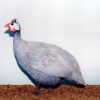
Lavender Guinea Fowl
Breed Overview and Origin
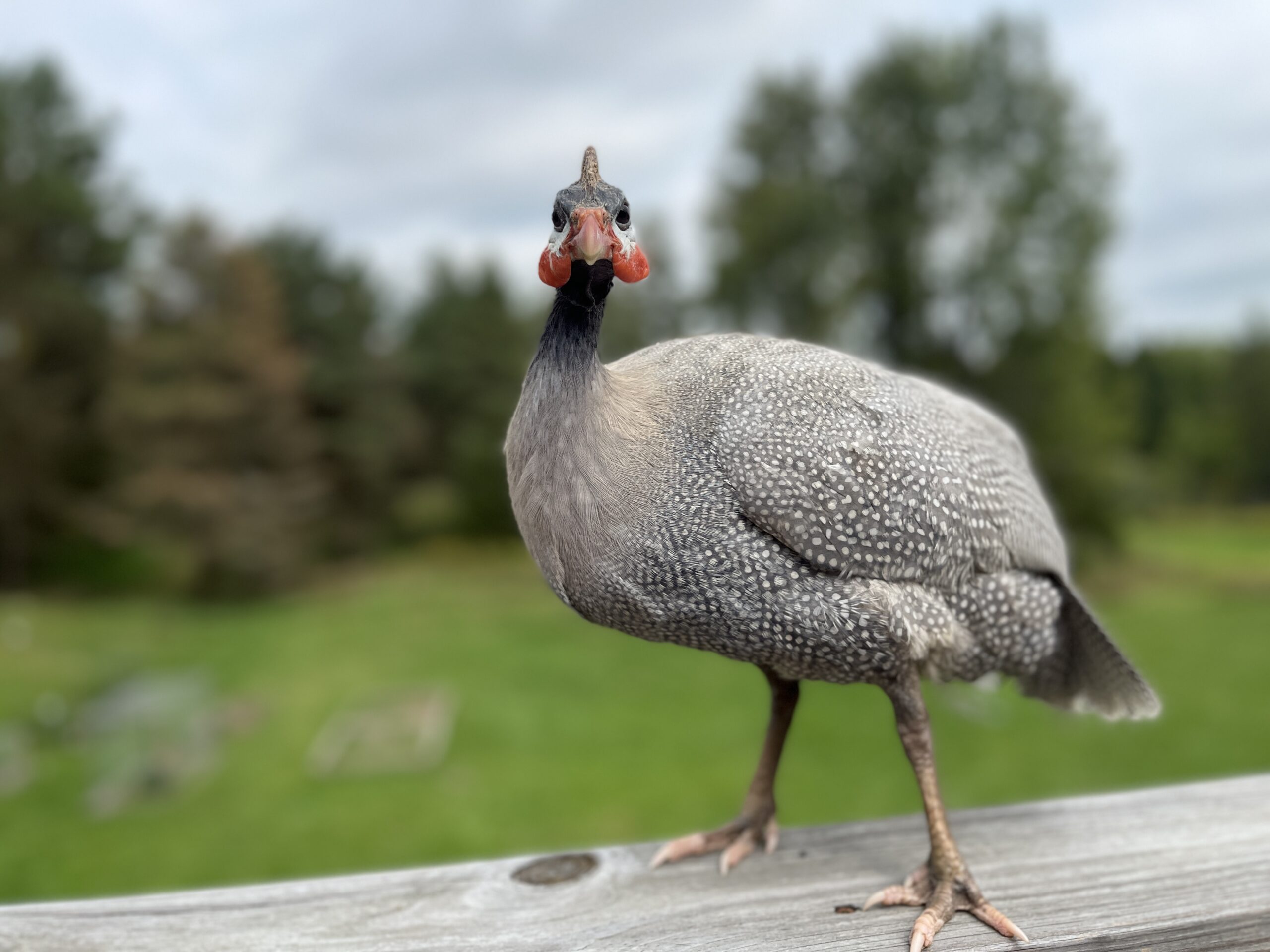
The Lavender Guinea Fowl is a soft blue-gray guinea variety known for its active foraging, loud alarm calls, flock instincts, and useful outdoor pest-control value. If you want a beautiful guinea that can help patrol for ticks and insects while also alerting the farmyard when something unusual appears, Lavender Guineas make a practical and attractive choice.
Guinea fowl are not chickens. They are active, independent, flock-oriented birds that originated along the west coast of Africa. Cackle Hatchery® notes that historical records show guinea fowl in ancient Egypt as far back as 2400 B.C., and by 400 B.C. the Greeks considered guinea meat and eggs delicacies. Cackle has also developed bloodlines of its White, Lavender, Pearl, and Royal Purple guinea varieties since 1977.
Cackle Hatchery® raises White African, Pearl Grey, Royal Purple, and Lavender Guinea Fowl, and guinea keets are sold only as not-sexed keets. Cackle also hatches and sells thousands of guinea keets weekly from May through August.
Because Lavender Guineas are alert, vocal, and excellent foragers, they work best for farms, homesteads, orchards, pastures, and rural properties. However, they are not quiet backyard pets, so customers with close neighbors should consider their noise level before ordering.
Appearance and Characteristics
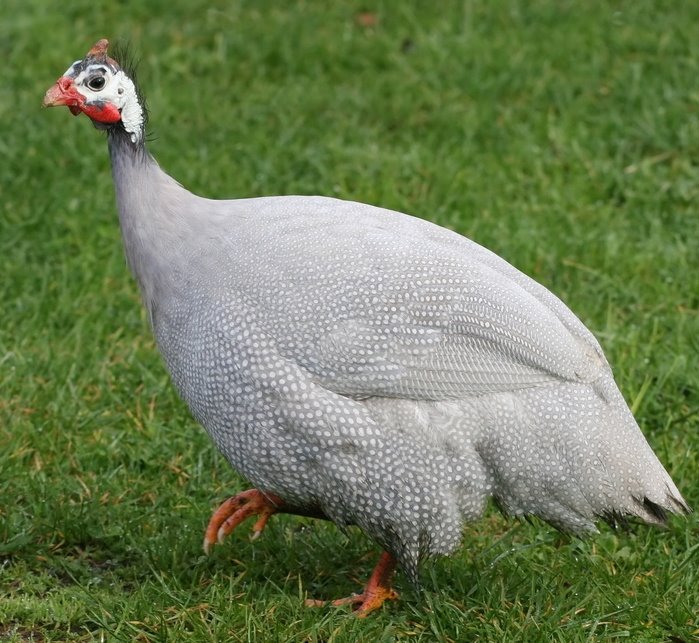
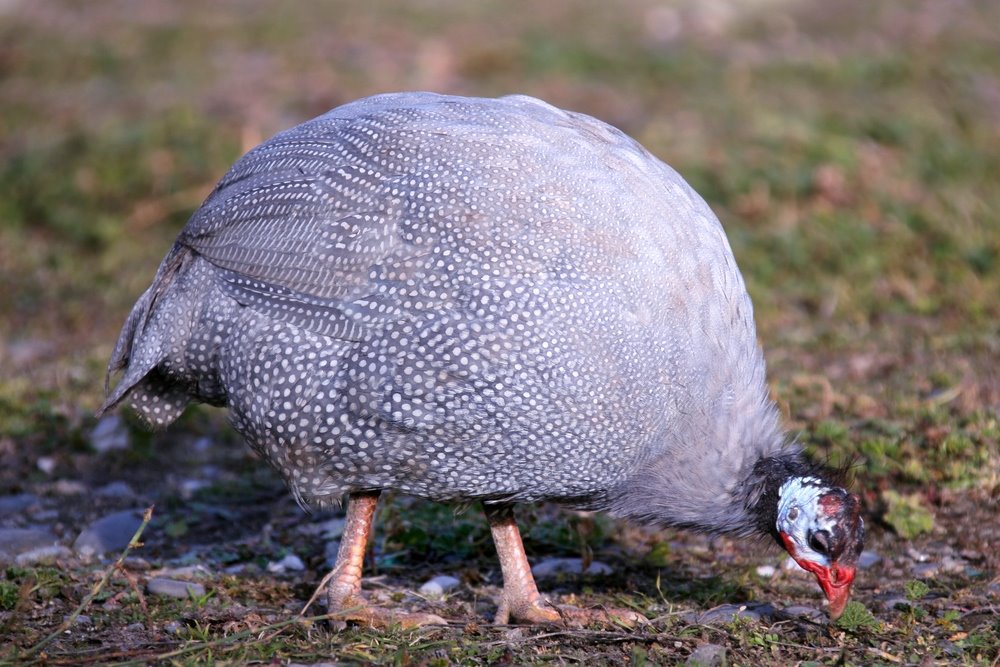
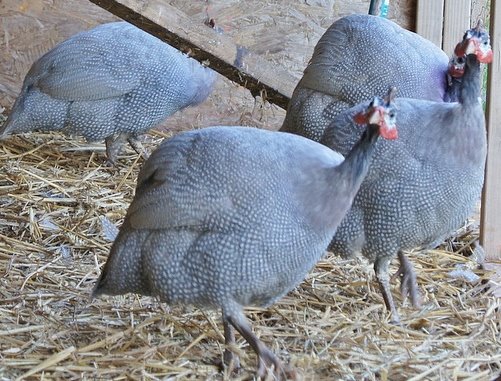
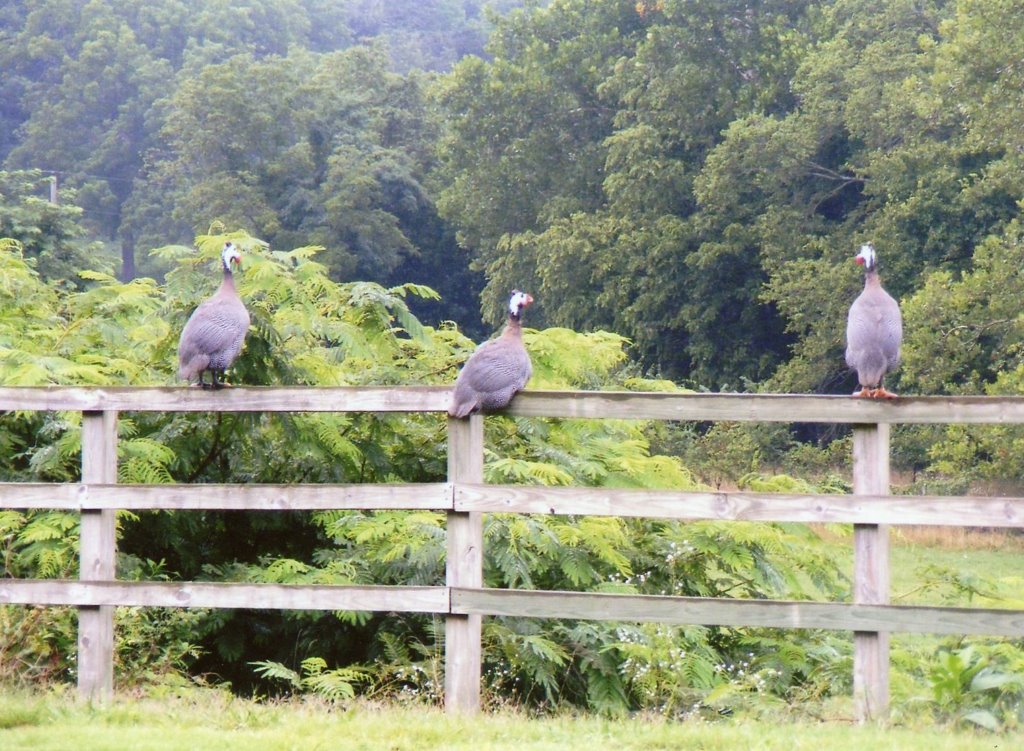
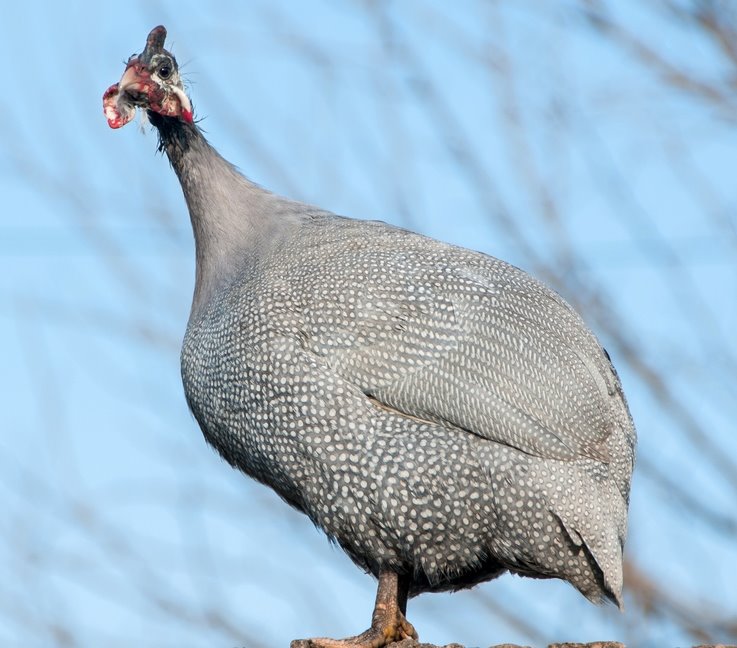
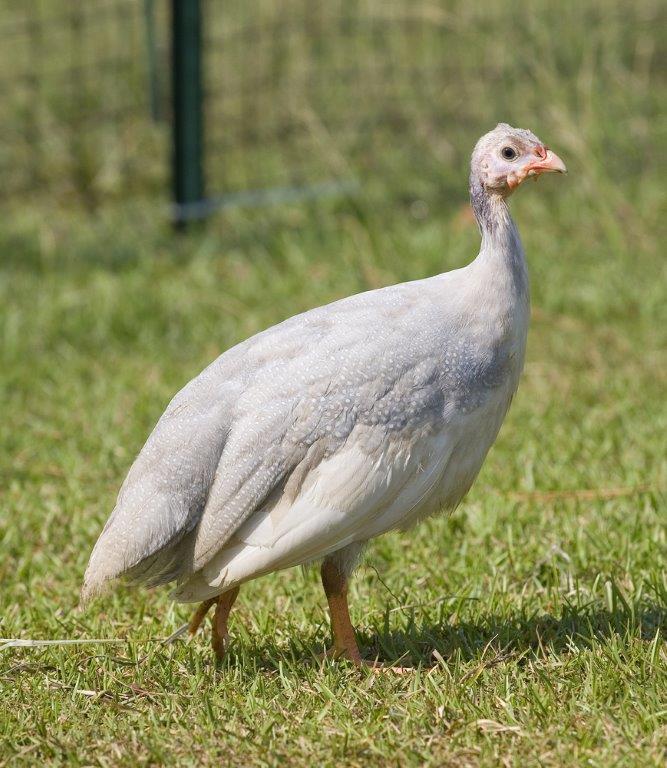
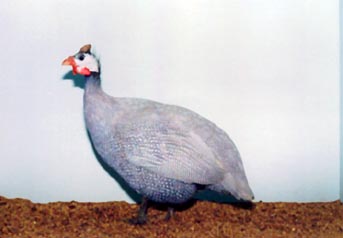
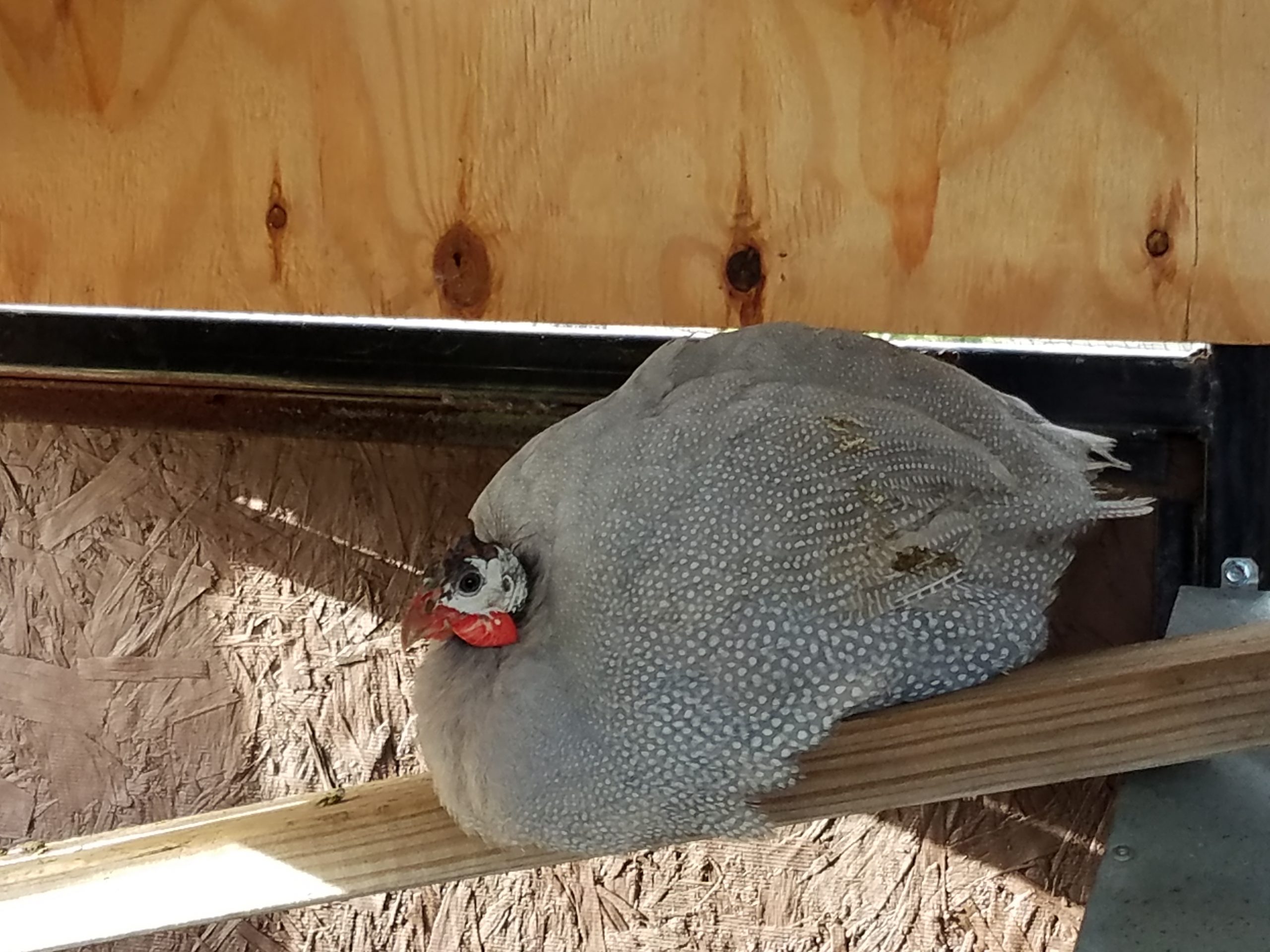
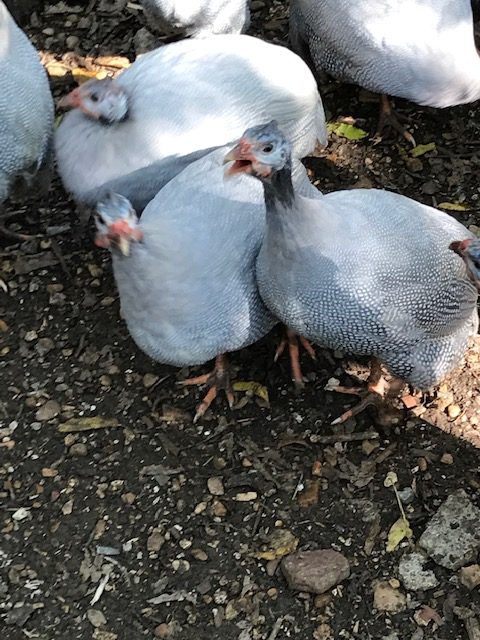
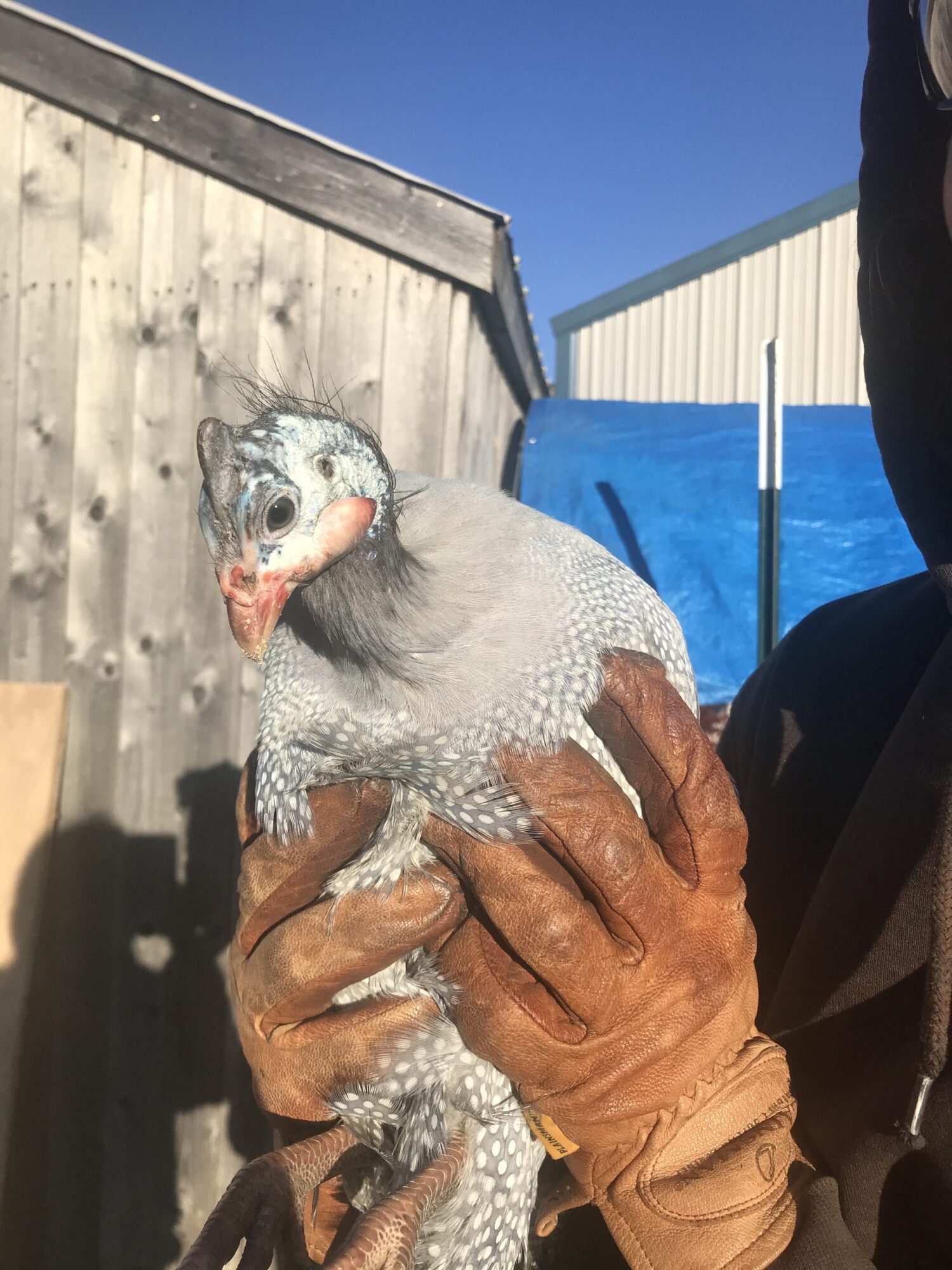
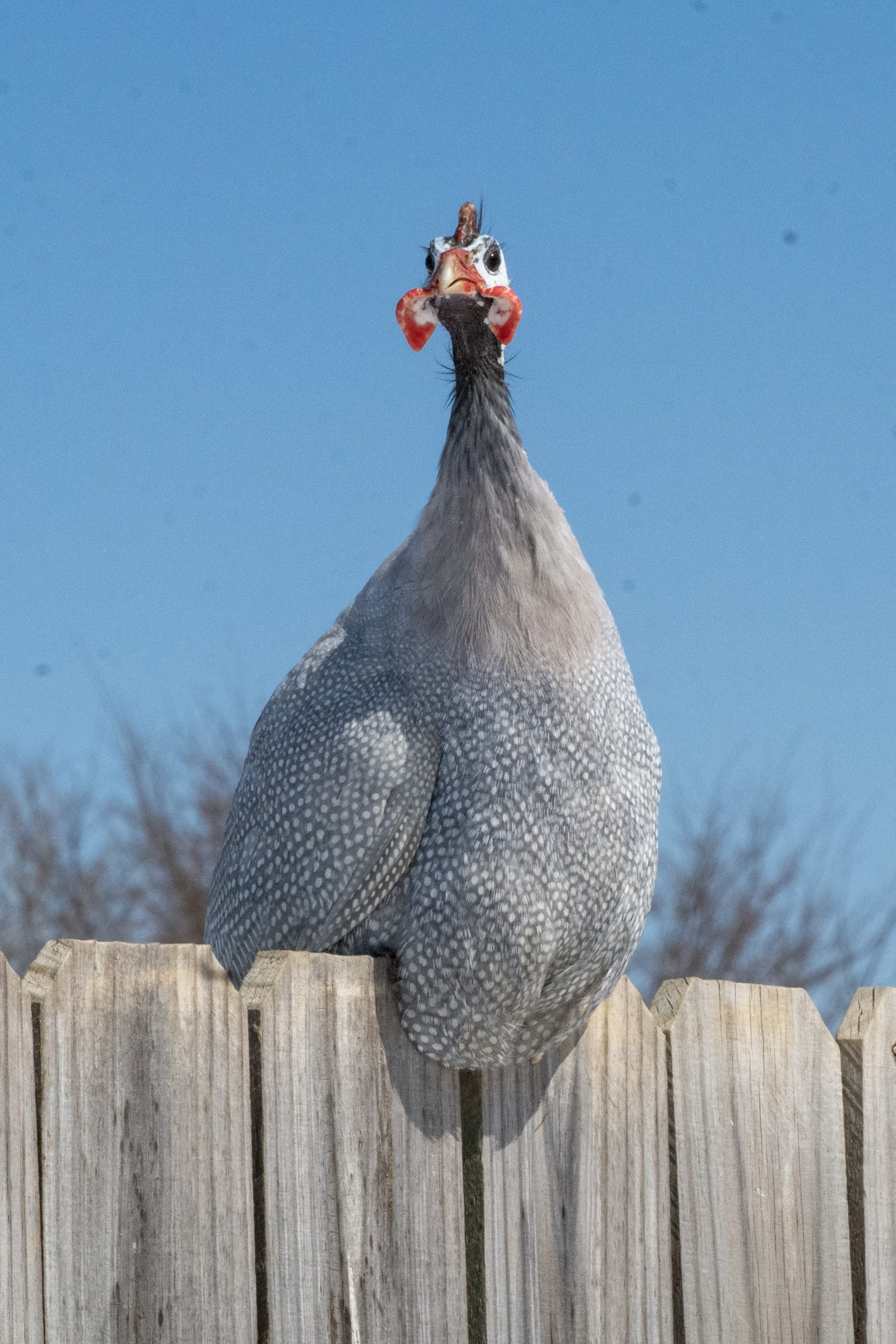
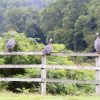
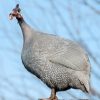
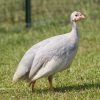
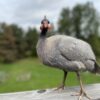
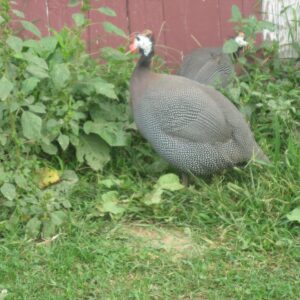
Lavender Guinea Fowl have soft blue-gray plumage with a lighter, more muted look than Pearl Grey Guineas. Cackle’s Selecting Guinea Fowl article describes Lavender Guineas as similar in appearance to Pearl Guineas, but with a softer blue-gray shade.
Like other guinea fowl, Lavender Guineas have an upright posture, quick movement, strong flock instincts, and a watchful nature. They often notice movement, predators, strangers, or changes in the yard before other poultry do. As a result, many keepers value them as natural alarm birds.
Guineas also like to roost high when allowed to choose their own roosting spots. However, training them to return to a coop at night is safer than letting them sleep in trees, where predators and weather can become serious risks.
Since Lavender Guineas can fly and wander, they need early training, a secure brooder, predator protection, and a consistent coop routine.
Lavender Guinea Fowl vs Other Guinea Colors: How to Choose
Lavender Guineas share the same general guinea fowl behavior as Pearl Grey, Royal Purple, and White African Guineas. The main difference is feather color.
Choose Lavender Guinea Fowl if you want a softer blue-gray guinea with strong foraging instincts, useful alarm-bird behavior, and a lighter look than Pearl Grey.
Choose Pearl Grey Guinea Fowl if you want the traditional dark gray guinea with rows of tiny white pearl-like spots. Cackle describes Pearl Guineas as the most popular guinea variety.
Choose Royal Purple Guinea Fowl if you prefer darker plumage with an iridescent purple sheen and white spotting mainly on the wings.
Choose White African Guinea Fowl if you prefer pure white plumage with the same alert, useful guinea behavior.
For customers who want a variety of guinea colors, the Hatchery Choice Guinea Special may be worth comparing. Cackle notes that this special may include White, Lavender, Pearl, and Royal Purple Guinea keets.
Foraging, Tick Control, and Watch-Bird Value
Lavender Guineas are excellent foragers. They naturally search for ticks, insects, grubs, worms, and other small pests in lawns, gardens, pastures, and along wooded edges.
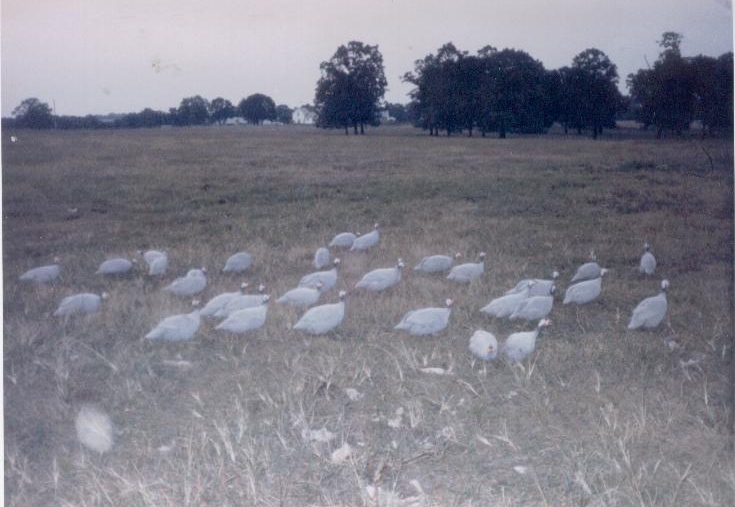
Cackle’s Guinea Fowl on Tick Patrol article explains that many rural keepers raise guinea fowl primarily to patrol for ticks and other insects. When allowed to roam, a flock can cover a lawn, pasture, or woodlot edge.
In addition, guineas are known for their loud alarm calls. That can be a major benefit if you want watch birds around a farmyard, but it can be a drawback for close neighbors or quiet settings. Therefore, customers should think carefully about noise tolerance before ordering.
Lavender Guineas can be especially useful for:
- Tick control around lawns, pastures, and wood lines
- Garden, orchard, and barnyard insect patrol
- Alerting to unusual activity
- Homestead and farmyard pest management
- Customers who enjoy active, independent birds
- 4-H or FFA students interested in showing or breeding guinea fowl
However, a different bird may suit you better if you want quiet poultry, heavy egg production, or a bird that behaves like a tame chicken.
Egg Production and Utility
Lavender Guineas are usually raised for pest control, foraging, alert behavior, ornamental value, and farmyard utility. They may lay seasonal eggs, but customers usually do not choose them as primary egg-laying birds.
Guinea eggs are smaller than many chicken eggs and have thick shells. Even so, they have a long history as a specialty food, and Cackle notes that guinea meat and eggs were considered delicacies by the Greeks as early as 400 B.C.
In addition, guineas have strong flock instincts and usually do best in a group. A single guinea may be stressed, noisy, or difficult to manage, while a group can behave more naturally and work together as a watchful flock.
Temperament and Suitability
Lavender Guineas are lively, alert, vocal, and active. When raised from keets, they may become familiar with their owners, feeding routine, and home area. Even so, they remain more independent than most chickens.
They are often calm toward familiar caretakers, but they are not usually cuddly lap birds. Instead, guineas shine as useful outdoor poultry with strong survival instincts, sharp awareness, and constant movement.
This variety can work well for:
- Farms and homesteads
- Orchards and garden areas
- Pastures and rural properties
- Customers who want tick patrol
- Keepers who can handle loud birds
- Flocks with secure nighttime housing
- Customers who enjoy active, free-ranging poultry
- 4-H and FFA students interested in poultry projects
On the other hand, Lavender Guineas may not be ideal for close neighborhoods, small quiet yards, or customers who want very tame pet poultry. Overall, they fit best with customers who want alert, useful, outdoor birds with strong foraging instincts.
Brooding and Raising Guinea Keets
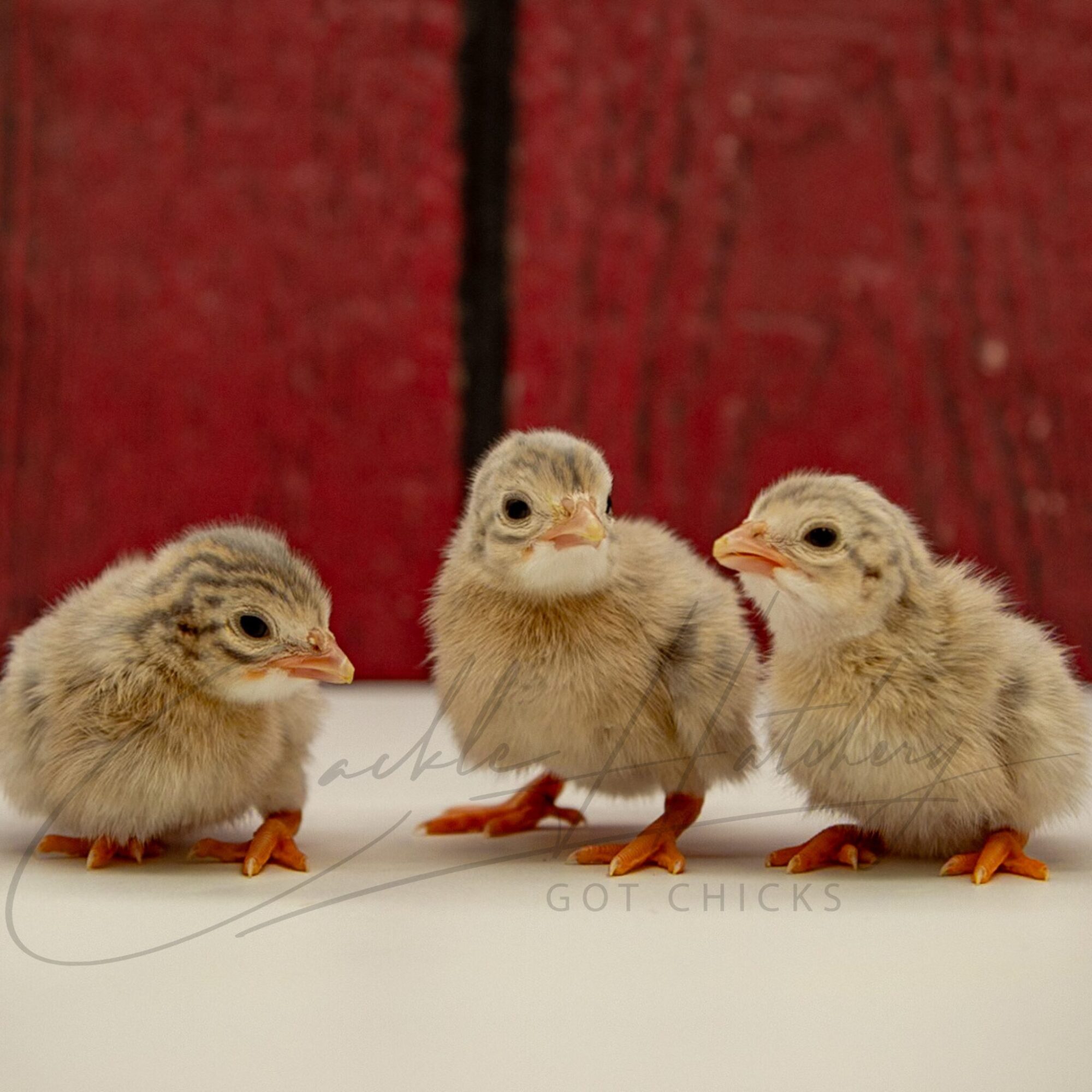
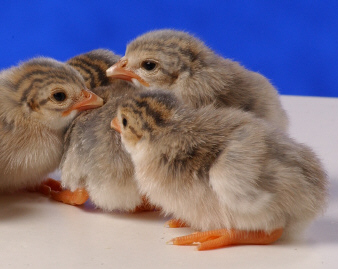
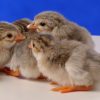
Guinea keets need careful brooder management. They are small, active, and more delicate than they may look, especially during the first days after arrival.
Cackle’s 3 Ways to Brood Guinea Fowl and 1 Way Not To article warns that letting a free-range guinea raise her own keets often ends badly because keets can chill in wet grass while trying to keep up. Therefore, customers should prepare a warm, dry, protected brooder before keets arrive.
For best results, provide:
- A warm brooder before keets arrive
- Clean, dry bedding with good traction
- Fresh water in safe, shallow waterers
- Proper game bird or keet starter feed
- Protection from drafts and dampness
- Enough space to prevent piling
- A secure brooder lid as keets grow active
Cackle Hatchery® also notes that guinea keets must ship in a separate compartment from other poultry because the small keets may peck the toes of other birds and injure them during shipment. This is an important ordering detail for customers planning mixed poultry purchases.
Keeping Guinea Fowl Close to Home
Guineas are known for wandering and flying, so training matters. Customers who want them to stay near the barn, coop, garden, or pasture should raise them from keets and establish a consistent home base.
Cackle’s Raising Guinea Fowl article recommends starting with keets rather than adult guineas because birds raised from keets are more likely to stay around as adults.
Cackle’s How to Keep Guinea Fowl from Flying Away resource explains that guineas are known for flying away, especially after being moved to an unfamiliar location. Because of that, early training and a consistent home routine matter.
To help them return at night, Cackle’s Getting Guinea Fowl to Roost Indoors at Night article is a helpful companion resource for customers trying to build a nighttime coop habit.
Sexing Guinea Keets
Cackle Hatchery® sells guinea keets only as not-sexed. This is because young guineas are difficult to sex.
Cackle’s Sexing Turkey Poults and Guinea Keets article explains that guinea keets are even harder to sex than turkey poults. Mature males and females may differ in behavior, size, posture, and headgear, but those differences appear later. The article also notes that one of the most useful clues is the female’s two-syllable call, which often starts around 6 weeks of age.
In practical terms, males often make a one-syllable call, while females make a two-syllable “buck-wheat” style call. For that reason, customers should not expect sexed Lavender Guinea keets at ordering time.
Is the Lavender Guinea Fowl Right for You?
Choose Lavender Guinea Fowl if you want:
- A soft blue-gray guinea variety
- Active birds for tick and insect control
- Alert farmyard watch birds
- Strong foragers for rural properties
- A useful addition to gardens, orchards, or pastures
- A flock-oriented bird that works best in groups
- A seasonal keet order from Cackle Hatchery®
- A guinea variety for 4-H or FFA poultry projects
However, consider another poultry type if you want quiet birds, steady egg production, a cuddly pet, or poultry that stays close without training. In short, Lavender Guineas fit best with customers who want active, alert, useful birds for outdoor pest patrol and farmyard awareness.
Shipping and Availability Notes
Cackle Hatchery® ships baby guinea keet orders seasonally, generally from May through August. Cackle recommends ordering in March or April to reserve keets before the main shipping season fills.
Cackle’s guinea category also states that customers may order as early as November and should check the availability chart for current shipping months.
Important shipping notes:
- Guinea keets must ship in a separate compartment from other poultry.
- Guinea keets are sold only as not-sexed.
- Guinea fowl cannot ship to Hawaii.
- Availability can change by hatch date and season.
Customers should check Cackle Hatchery’s Chicken Availability Chart before ordering.
Related Guinea Fowl and Helpful Cackle Hatchery® Resources
Customers comparing Lavender Guineas may also want to review Cackle’s other guinea colors and care articles. Start with Guinea Fowl for Sale to compare Pearl Grey, Lavender, Royal Purple, and White African Guinea Fowl. Cackle notes that guinea keets are sold not-sexed and hatch weekly during the season.
Helpful Cackle Hatchery® links for this product page include:
FAQ: Lavender Guinea Fowl
What is a Lavender Guinea Fowl?
A Lavender Guinea Fowl is a soft blue-gray guinea variety known for active foraging, loud alarm calls, flock behavior, and useful tick and insect patrol.
Are Lavender Guineas good for tick control?
Yes. Lavender Guineas are excellent foragers and can help patrol for ticks, insects, grubs, and other small pests in lawns, pastures, gardens, and wooded edges.
Are Lavender Guineas loud?
Yes. Guineas are loud, alert birds. They often call loudly when they notice predators, strangers, movement, or anything unusual in their territory.
Are Lavender Guineas good watch birds?
Yes. Their alert nature and loud calls make them useful watch birds around farms, homesteads, orchards, and rural properties.
Are Lavender Guineas friendly?
When raised from keets, Lavender Guineas can become familiar with their owners and routines. However, they are usually more independent than chickens and should not be expected to act like lap pets.
Are Lavender Guineas good for beginners?
They can work for beginners who understand their noise, flight ability, brooder needs, and flock behavior. New keepers should prepare a secure brooder and have a plan for training them to return to the coop.
Do Lavender Guineas lay eggs?
Yes, guinea hens may lay seasonal eggs. However, customers usually choose guineas for pest control, alert behavior, and foraging rather than steady egg production.
Can Lavender Guinea keets be sexed?
No. Cackle Hatchery® sells guinea keets only as not-sexed because young guineas are difficult to sex. The female’s two-syllable call may become a useful clue at around 6 weeks of age.
What sound does a male guinea make?
A male guinea usually makes a one-syllable call, often repeated several times. Many keepers describe it as a “chit, chit, chit” or similar sharp call.
What sound does a female guinea make?
A female guinea can make a two-syllable call often described as “buck-wheat, buck-wheat.” This call is one of the most useful ways to identify females as they mature.
When does Cackle Hatchery® ship guinea keets?
Cackle Hatchery® generally ships guinea keets from May through August. Cackle recommends ordering early, often in March or April, to help reserve keets before the season fills.
Can Cackle Hatchery® ship guinea fowl to Hawaii?
No. Cackle Hatchery® cannot ship guinea fowl to Hawaii.
Why do guinea keets ship separately from other poultry?
Cackle Hatchery® ships guinea keets in a separate compartment because small keets may peck the toes of other poultry and injure them during shipment.
What do Lavender Guinea keets need in the brooder?
Lavender Guinea keets need warmth, dry bedding, safe waterers, proper starter feed, ventilation without drafts, and protection from dampness or chilling.
Are guinea keets hard to raise?
They need careful early brooding. Keets are small and active, so warmth, dryness, safe water, and good feed access are important during the first days.
Will Lavender Guineas stay on my property?
They are more likely to stay if you raise them from keets, train them to a coop, and keep a consistent feeding routine. However, guineas can wander and fly, especially if moved to a new location.
How do I get guineas to roost indoors at night?
Start training early. Raising keets with chicks, using a consistent coop routine, and feeding near the coop can help encourage guineas to return indoors at night.
What is the difference between Lavender and Pearl Grey Guinea Fowl?
Lavender Guineas have softer blue-gray plumage. Pearl Grey Guinea Fowl have darker gray plumage covered with rows of small white pearl-like spots.
What is the difference between Lavender and Royal Purple Guinea Fowl?
Lavender Guineas have a soft blue-gray look. Royal Purple Guinea Fowl are darker and have an iridescent purple sheen.
Does Cackle Hatchery® offer other guinea colors?
Yes. Cackle Hatchery® offers several guinea fowl colors, including Lavender, Pearl Grey, Royal Purple, and White African Guinea Fowl. Customers can compare them in the Guinea Fowl for Sale category.
Where can I check Lavender Guinea Fowl availability?
Customers can check Cackle Hatchery’s Chicken Availability Chart for current hatch and shipping timing. Guinea availability can change during the season, so checking the chart helps customers plan ahead.





Virginia Adams –
Extremely Happy!
We received our keets on July 15, 2023. We ordered 6 and received 7 total.
All 7 are doing great. We can’t wait to see and hear them all grown up!
Recommend Cackle Hatchery! Beautiful Babies!
Graf’s Blueberry Farm –
Excellent
Made a large order of mixed guineas for my grandmother’s flock which has decreased in size over the past 25 years from more than 35 to 6 due to coyotes and stray dogs in the past few years. They arrived on time, communication and reminders about shipping were prompt. All arrived alive, however 1 did die a day or 2 later, but overall it was a good turnout. They are fully grown now and the lavender guineas are SO pretty and elegant looking. They formed 2 separate flocks for a bit once large enough to be let outdoors with the old originals and the younger flock not liking each other for several months, but they have since integrated and roost together each night high in the same group of large trees. Impressive flyers when they need or want to. Very Hardy but also a bit dumb. They tend to nest late and many hens will lay in the same best in a weed patch with 50 or more eggs leaving one poor mother to attempt incubating them all. Once a few hatch they always seem to abandon the nest where the unhatched chicks die in the eggs. They often do this in October or November and then traipse their keets through tall wet grass where they become soaked and then abandoned. I recommend collecting and incubating the eggs yourself or watching them closely and possibly removing them from the mother to have more success in raising them. They survive winters with no heat provided in a northern zone 7 (eastern WA) but they also do fine in the much colder Bitterroot valley in Montana which gets much harder winters. There they must have a protective shelter like a barn or coop to survive the elements during the coldest storms. They are excellent at keeping the bugs down. Occasionally eat some blueberries, but otherwise leave all of our various crops alone. Require very little grain when free ranging for food. Low maintenance and wonderful little dinosaur birds so long as you can put up with the alarm calls. In that regard they are great watch dogs. When something is wrong you will hear all about it. This can include an owl lighting in the tree near them or one accidentally bumping into the other at 2am in the dark. Once one goes off it is a chain reaction and takes them a while to settle down. If they roost in trees near your bedroom window you may consider the purchase of a chainsaw.
Gorgeous birds –
Gorgeously guineas
Typical guinea fowl but feathers are a beautiful purple grey. Males get bright blue heads!
Neske –
Very Pleased
All 5 of our guineas are doing great almost 7 months after their arrival!
Mosaic lady –
Beautiful guineas
Sad to say we only have 1 left of the 6 we purchased! They were doing great, then some critter found them good to munch on. As soon as they are available in the spring, we will give it another go. Have dealt with Cackle for 15 years. They are very nice, informative and have a wonderful selection of birds.
bluepoppy –
love my lavendar guineas
our guineas
as arrived all in good health! all 18 lived! we gave 6away to a friend! love the lavender ones but they are too laid back! saddened to say we lost two of them my dog got one of them and we only had to put a muzzle on her for two days now she leaves them alone I’m pretty sure the dark purple guineas killed the other one! my husband had to break up a fight just last night the dark purple ones had one of the lavender ones cornered! don’t know why they pick on them! didn’t know they were so nosy!lol
JJB –
Great farm birds
Arrived in good condition. Did a super job of keeping ticks and insects away from the homestead this summer. We went with the lavender breed for their ability to roost in trees to avoid predators.
Jay&Kate –
Mighty and Pretty Tick Eaters
We ordered 5 lavender guineas after being disgusted by the number of ticks we were picking off our dogs. All 5 with 2 extras arrived healthy and happy. Having never raised fowl it has been an experience but watching them decrease bug/tick numbers is delightful. Their color is stunning and allows them to be seen in our underbush easily. So far all are doing well. If we increase our flock we will gladly use Cackle again.
Pam –
Love our Lavender Guineas
Since we enjoy variety, we order Lavender Guineas. They seem to be the most independent of the bunch. They seem to wonder off a bit more and explore but always go back to the group or the group follows them. One of the Lavender was the first to get very verbal and makes us laugh!
Kelly –
Great birds and we LOVE ordering from Cackle Hatchery!
We’ve ordered guineas a few times from Cackle Hatchery. Our birds always arrive healthy and on time. We know we can count on quality keets here, and keep them as our go-to for any new fowl. The lavender are my favorite color, and seem to be a bit more docile than the others. If you’re looking for a place to get your birds in the spring, look no further!
tom j –
nice birds
Very happy with these birds. Hoping for some offspring from them. They add so much to the farm and are our yellow lab Sookie’s obsession. She just chases them but doesn’t grab them. Very nice stock!
Loverofguineas –
Very happy
We’re very happy with our guineas. We plan on ordering more in the spring. They included quite a few extra, and we lost a few due my our own negligence, but we still have as many as we ordered.
Happy Henny –
Love My Guinea Girls
Best experience from ordering, shipping, managing expectations, education and product – thank you Cackle Hatchery, you are the best. I love these fun family pets, we especially love the look of the lavenders. All well and happy hens, and maybe a rooster!
Tiffany –
Healthy keets
They arrived healthy with all the chicks we purchased. They are much smaller than the chicks. Cackle hatchery is highly recommended!
Patty –
Fun birds
We ordered a mix of 15 birds of 3 different colors, we had great luck with them from the beginning, it was our first time raising guineas and we will definitely purchase again, we live in rural Maine and have lost all but 6 to various predators. They are noisy but protective of our hens. I am hoping they will lay eggs to boost our pack.
Iron bridge Ranch –
Loved our guineas and chickens we received
We did lose one of the lavender guineas the first day and one lavender guinea the next day. Out of 25 fowl, those were our only losses. We lost none of the chickens or any of the white guineas we received.
Trish –
My Guineas are True Warriors!
I ordered a bunch of Lavender guineas, a bunch of Purple guineas, and a bunch of Barred Rock hens – all of which came in the same box, about 17 birds total. They free range by day and are SUPPOSED to sleep in the coop with my older guineas and hens, but they all choose to sleep in a tree. I prefer the Lavender over the Purple.
Chris –
Great Birds
These birds have been great! We lost 2 as babies and raised 15 to adulthood. This was our first time raising any birds so we did a lot of research prior to ordering them. We have lost 2 more since moving them out of the barn as adults to coyotes. They are pretty loud birds but we do not mind it at all. They are pretty skittish at first but will follow you all around the property once they get comfortable. We have even started getting eggs in their coupe. They are quite a bit smaller than a chicken egg but taste great! Overall we have enjoyed raising them and they have made a great addition to our little farm. I would definitely recommend ordering from cackle. Their prices are competitive and the shipping is easy.
J. R. –
Lavender Guineas are Healthy and Great!
Have had these guineas for about 6 months now. All arrived healthy. Still very healthy and the family loves them. Very pretty.
John –
Excellent purchase
All my birds are beautiful and healthy
Jessica –
Thrilled with order
I ordered 6 Lavender guineas back in July – 7 were shipped to me and all arrived happy and healthy! I was a little worried about them shipping, but they seemed to do great. When I picked them up at the post office I could hear them chirping very loudly! The ordering process is super easy, they provide detailed instructions on what to do when your chicks arrive. They are now almost 4 months old and are thriving! Thank you Cackle Hatchery. If I ever want/need to order more guineas I will definitely be back!
Paul –
Lavender Guinea
All arrived healthy!! They have turned out very pretty. Highly recommend Cackle Hatchery.
Elizabeth –
Highly recommend
I ordered several keets and they all arrived healthy in June. Now 5 months in, all of them are doing very well.. I HIGHLY recommend purchasing from here..
MaryT –
Lavender guineas
Great birds. Love the color as it flashes in the sun. Guineas are a fascinating bird and these are so different from most of the pearl “black” ones I see mostly around my place.
Dee –
Healthy Birds
Our guineas have grown and are doing very well. We will probably be adding more guineas in the spring. We’re sure looking forward to having fewer ticks this next year!
Nell –
Great job
I received 2 shipments all but 1 out of over 70+ arrived alive but within 24 hours I lost alot of them. With the unbearable heat, i believe they just got too warm.
Shady Grove Cattle Farms LLC –
Excellent
All arrived safe and healthy and there all happy and content roaming the farm !!!!
Tess –
Absolutely delightful!
Our guinea fowl are the most delightful creatures. They are thriving in our neighborhood!!! Thank you cacklehatchery for making this possible.
Chloe –
Wouldn’t order again
Most of the keets died. I raised them at the same time and in the same way as 10 pearl keets I bought locally which I lost none of. Not impressed
ME –
WonderfulExperience
Ordered several different types. Such a nice surprise that there were a couple extras. We did loose 2 in the first few hours, but the rest are healthy and thriving!! The Lavender Guineas are just beautiful!! We can’t find any locally, so having them shipped, healthy and thriving is just such a treat!!b Thank You!!
Hippychick –
Guard birds
I now have a total of 13 guineas and they let you know they are around with their vocals.
Riger –
Lavender guineas
We ordered lavender guineas. They all arrived healthy and have done real well. We are very happy with the quality and will buy more next year. Highly recommend you guys
Rocky –
Lavender guineas, excellent addition
This was my second year purchasing guineas from this hatchery. First year I ordered pearl grey and this year I wanted a different color just to be able to tell the different ages apart. Love the color of the lavender. I believe I received 22 or 23 keets. All arrived alive and super cute. I ended up with 20 and still have all 20 free ranging daily 7 months later.
Marjorie –
really pretty
I just love this color and they grew bigger than the other keets I already had. Will be ordering more next spring.
MartyP –
Lavendar Guineas
We raised ours on their own and not with chickens. They are cool and pretty but have no boundaries. They jump on cars, roofs, hot tub… They also didn’t understand they should be scared of dogs since our dog is really nice. They travelled over to the neighbors and a couple were killed by their dog. Not the dogs fault they were his yard. I like them but they are a lot of work. We did get more than we ordered and lost 2 babies.
AC –
Pretty, funny and loud!
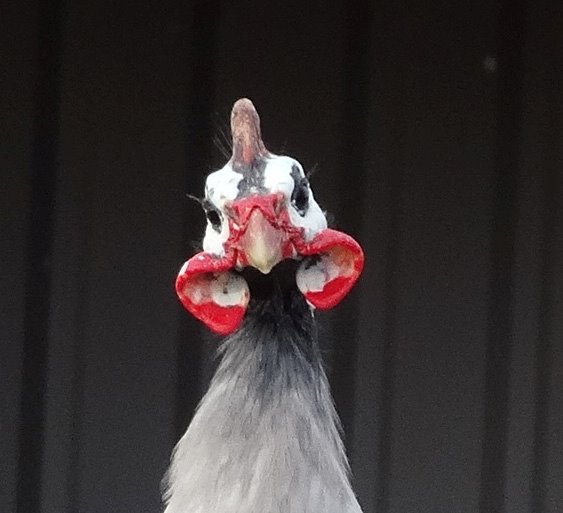
These guys arrived very healthy, I didn’t lose a single keet! Their coloring is so pretty, even though their faces are the kind of faces only a mother could love! They’re funny, quirky and very, very loud, but that’s all guineas, I think. Recently they alerted us to a dog in the chicken yard, so that loudness pays off!
Mary –
Lavender Guinea keets
Absolutely love them! Keets arrived very healthy, we didn’t lose any in transit or afterward, and they have grown to be beautiful and very healthy birds!
Sharon –
18 keets arrived alive and well
We ordered 15 keets (5 of 3 different breeds). To our happy surprise we got an extra keet of each breed for a total of 18 birds. They all arrived healthy and well. We didn’t lose any except one, but that was because when we were transferring them to a coop one flew out and we couldn’t find it until we saw it dead of dehydration two days later (they were close to a month old by then) :,( Overall, very happy with the purchase. The keets got to my area on a Thursday, but they mailed it to another post office that was just as far as the first one, so I couldn’t get my keets until that Friday. But that wasn’t anyone’s fault, I just wish we could pick our post office next time to avoid this instead of someone picking the one in my city when in fact a post office in the city next to me is just as close if it means arriving a day early. They are close to 2 months now!
Lisa –
Great purchase
I ordered 24 meets and I got 27! They are all safe and sound, our postmaster called at 7am. Once they got home they ate and drank! Cute little things, much smaller than chicks! Thanks, hoping they all do well tonight!
Martha –
Healthy Arrival
I cried when I found all of the baby guineas dead last week. This morning
the replacement shipment arrived and they are all healthy and happy. Thank
you so much for you kindness and rapid response in shipping the
replacements. I’m delighted. I’ve ordered chicks from Cackle Hatchery for
over 40 years and this is the first time that I have ever gotten a DOA
shipment. Since I am now 80 years old, I probably won’t be here to do a lot
of business with you in the future, but I definitely will be your faithful
customer until the end. I recommend Cackle Hatchery to everyone who visits
our farm.
DAVE –
After day 1 i am happy with this purchase !
I was worried about USPS but they arrived happy and healthy all 15 with one extra .
Larry December 2015 –
Cackle Hatchery
Liked your youtube video!